

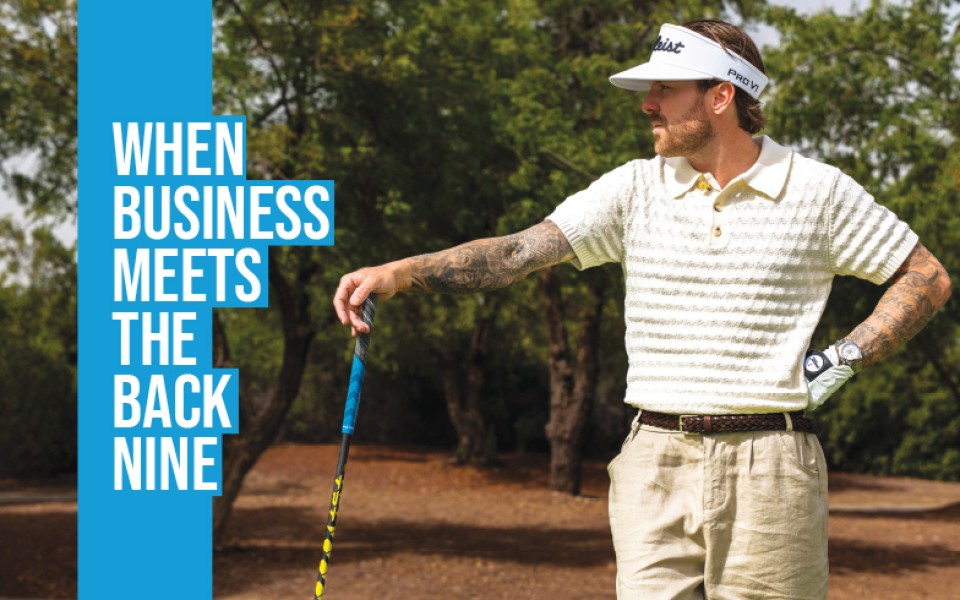
Dubai entrepreneur James Hovey – founder of menswear label Belier co-runner of Full Circle Agencies and the man behind Hybrid Performance – has spent the last few years building an ecosystem of brands across fashion, fitness and creative direction. But it’s golf, the game that humbled him just when business was running hot, that he credits with sharpening the way he leads, decides and competes. Here, he makes the case that the fairway and the boardroom have far more in common than most people care to admit.
Golf came back into my life at the right time. Business can become very all-consuming, especially when you’re building brands and constantly thinking about growth, pressure, staff, numbers, launches, everything. Golf was one of the first things in a long time that completely humbled me again.

What pulled me in wasn’t even just the sport itself, it was the process of trying to improve. You can’t fake golf. You can’t shortcut it. It forces patience, discipline, emotional control, and consistency. I became obsessed with that side of it. There’s also something addictive about the pursuit. You hit one shot exactly how you pictured it and you spend the next six months trying to recreate that feeling again.
The thing is, both golf and business expose who you really are when things stop going your way. Anyone can look confident when everything’s working. But golf reveals your patience, your ego, your emotional control, your ability to stay disciplined after mistakes. Business does exactly the same. You start to realise how people handle pressure. Some people panic and force things after one bad hole or one bad month. Other people stay composed, stick to the process, and trust that consistency compounds over time. Golf exposes temperament more than talent sometimes. Business does too.

Running a menswear brand means I operate in a world built around presentation, confidence, and detail – and a lot more of that translates onto the course than people probably realise. Golf is detail-oriented in the same way fashion is. Small things matter. Consistency matters. Refinement matters. In menswear, people only really notice the final result, but what creates that feeling is tiny details most people overlook. Golf feels very similar. One degree, one swing thought, one mental lapse, one setup change, everything affects the outcome. If you care deeply about presentation, taste, discipline, and refinement in business, you naturally bring that energy into golf too.
What I love is how quickly the game humbles you. You can build successful businesses, have confidence in your own world, and then golf will make you feel like a complete beginner again within five minutes. That’s probably one of the reasons I respect it so much. There are days where I’ve gone from feeling very in control in business to standing on a tee box unable to trust my swing. Golf strips away ego very quickly. It reminded me that success in one area doesn’t entitle you to success somewhere else. You still have to earn progress.
Pressure works the same way in both worlds. It speeds people up mentally. In golf, when people get nervous, they stop committing. They overthink. They force shots that aren’t there. Business is the same. Under pressure, people abandon process and start reacting emotionally. I’ve learned that the best decisions in both worlds usually come from calmness, not emotion. One bad shot or one bad business decision doesn’t normally destroy you. It’s the emotional reaction afterwards that causes the real damage.
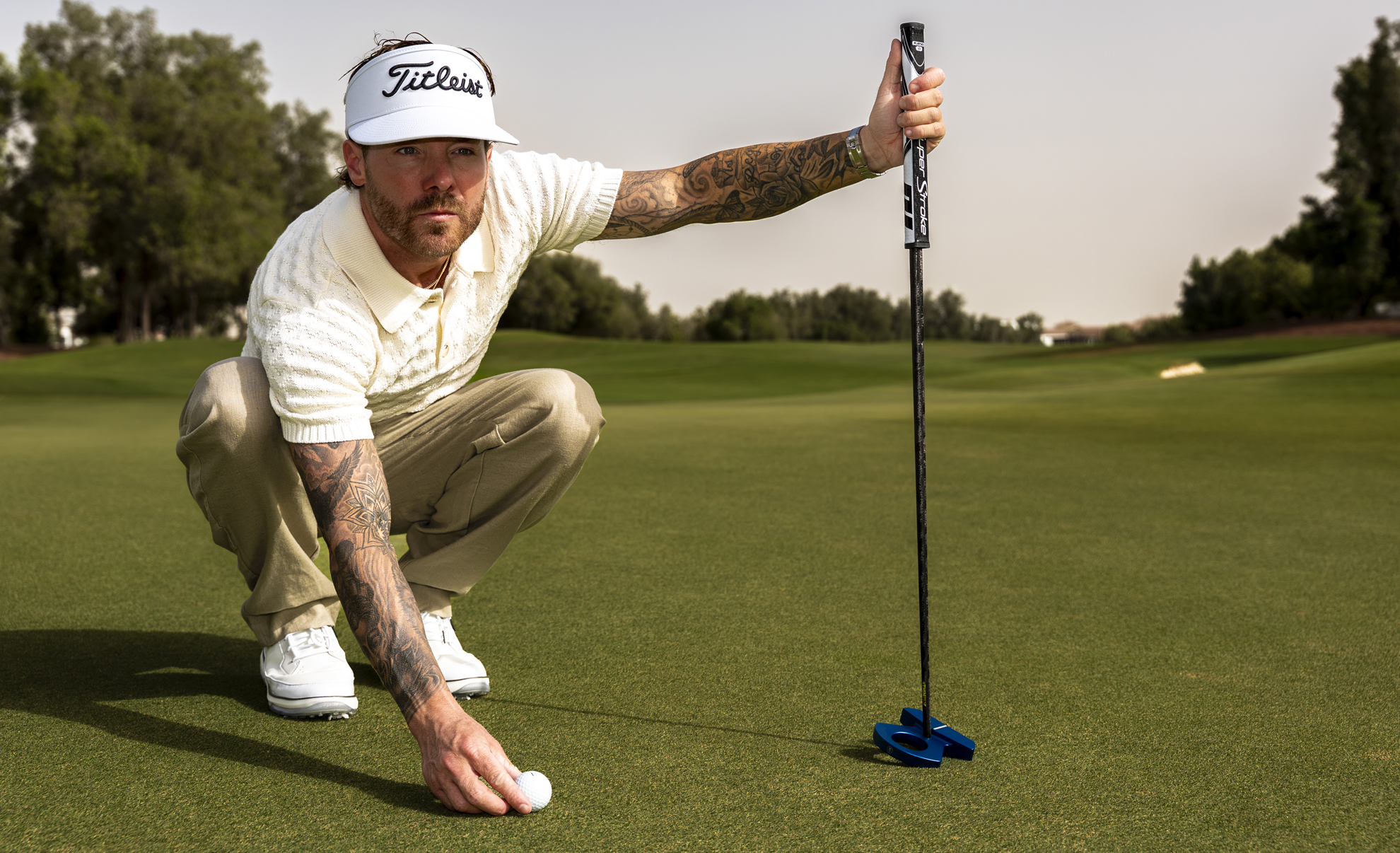
Golf has made me more patient as a leader. It taught me that improvement is rarely linear. You can feel like you’re getting worse before you suddenly break through. Business works the same way. Sometimes growth is invisible until it compounds. It also made me realise how important emotional consistency is as a leader. Your team feels your energy. In golf, your body reacts to your mental state immediately. There’s nowhere to hide. The calmer and more disciplined you become internally, the better both your golf and your leadership tend to become.
The internal dialogue is the part people don’t see. Entrepreneurship is mentally exhausting because you’re carrying pressure that most people never see. Golf feels the same from the outside. People think it’s relaxing until they actually care about performance. Doubt, frustration, impatience, expectation – you’re constantly managing your own mind. That’s why I think ambitious people get addicted to golf. It becomes less about the sport and more about mastering yourself under pressure.
Dubai’s golf culture naturally overlaps with business, networking and relationships, so it definitely becomes part of your professional world over time. A lot of conversations happen on golf courses here. But personally, I still see golf more as a reset. It’s one of the only things that fully takes me out of work mentally because you have to be present. If your mind is elsewhere, your score reflects it immediately. Ironically, when I stop thinking about business for four hours, I usually come back thinking more clearly anyway.
The biggest personal surprise has been how much your emotions affect performance. You can practice for hours, have the right technique, the right equipment, all of it, but if your mind isn’t stable, golf exposes it instantly. I realised patience is actually a skill. Most people think patience is passive, but it’s not. In golf, patience is discipline under frustration. That changed how I view a lot of things in life as well.
Talent helps you start. Patience determines how far you go. The people who become exceptional in either world are usually the ones willing to repeat the boring things for years. Refinement takes time. Social media makes everything look instant now, but real progress is normally built through repetition nobody sees. Golf reinforces that constantly.
My competitive side definitely follows me onto the course – I don’t think that ever really leaves ambitious people. But golf channels it differently. Business pressure is constant and open-ended. Golf gives you a contained challenge. You’re focused on one shot, one hole, one round. So even though I’m competitive when I play, it still feels mentally healthier than constantly being inside business problems all day.

If you asked me which has tested my patience more – building a brand or building my game – it’s golf, without question. In business, I’ve always trusted my instincts. Even through hard periods, I understood how to create momentum. Golf is different because improvement can feel invisible for long stretches. You can spend weeks working on something and suddenly feel worse before it gets better. That tests your patience massively. But honestly, I think that’s also why I’m drawn to it.
Golf can look polished from the outside, but behind that there’s frustration, discipline, and failure – and that mirrors entrepreneurship completely. People usually only see the polished moments, the nice golf courses, the successful brands, the lifestyle side of things. They rarely see the frustration underneath. Both worlds involve constant failure. You’re just learning how to manage it better over time.
Golf will become a genuine part of the long-term identity of the brands I’m building. I’ve always wanted Belier to evolve naturally around the things I’m genuinely passionate about, rather than forcing concepts just because they’re commercially popular. Over the last couple of years, golf has become a huge part of my life, not just as a sport, but because of everything around it – the lifestyle, discipline, travel, culture, style, and mindset. As that passion has grown, it’s naturally started influencing the creative direction of the brand. We already plan to build golf further into Belier through collections, content, and experiences over time. The reason it works is because it’s authentic. People today connect more with brands that evolve alongside the person building them. Golf hasn’t been added as a marketing strategy, it’s become part of my life first, and the brand reflects that naturally.

If someone read my story without knowing whether I was talking about golf or business, the biggest lesson connecting both worlds would be this: real progress usually happens much slower than people expect, and most people quit before the results arrive. Both golf and business force you to stay committed through periods where there’s no immediate reward. You have to learn to trust repetition, stay disciplined when things feel frustrating, and detach your identity from short-term outcomes.
The people who last in either world are normally the ones who keep showing up after bad rounds.