

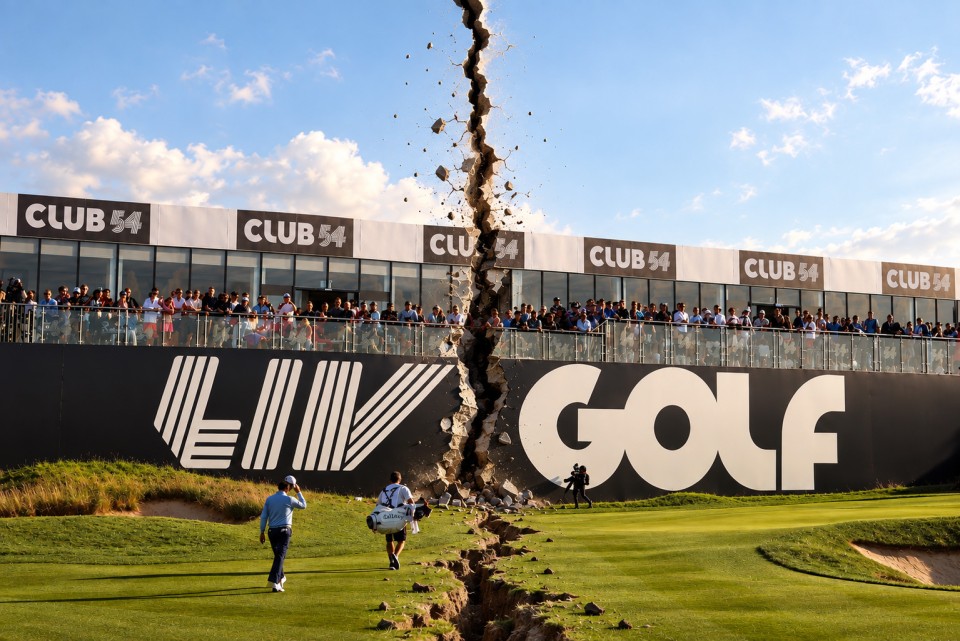
LIV promised to revolutionise professional golf. Four years on, as the breakaway circuit enters bankruptcy restructuring, I ask what it achieved, and what the game lost along the way.
I have worked in golf for nearly three decades, and in that time I have watched the professional game transform. Prize money has soared, players have become athletes, television coverage has improved beyond recognition, and social media has created opportunities nobody imagined when Worldwide Golf launched in 1999. Change is usually healthy. But not all change is progress, and that is ultimately how I feel about LIV Golf.
When it arrived in 2022, LIV promised to shake up an order it claimed had grown stale: team golf, shotgun starts, 54-hole events, music on the course and, above all, enormous sums of money. It certainly shook things up. What I struggle to identify is how much of that disruption made golf better.
Four years on, LIV has filed for Chapter 11 bankruptcy protection in the United States. The filing estimates liabilities of between $500 million and $1 billion against assets of between $100 million and $500 million, and several of its best-known players are listed among its creditors. LIV insists this is a restructuring rather than an ending, and speaks of a smaller, more sustainable “LIV Golf 2.0”. Whatever emerges, this is a fair moment to assess the experiment. For me, the biggest casualty has been something money cannot easily buy back: legacy.
Europe Lost Part of Its Family
The clearest examples are Lee Westwood and Ian Poulter, both of whom I watched become icons of European golf. Westwood reached World No.1, won around the globe and played in 11 Ryder Cups. Poulter became something rarer, a golfer whose Ryder Cup reputation transcended his individual record. Put him in a European shirt and something changed. The eyes widened, the chest came out, the crowd responded.
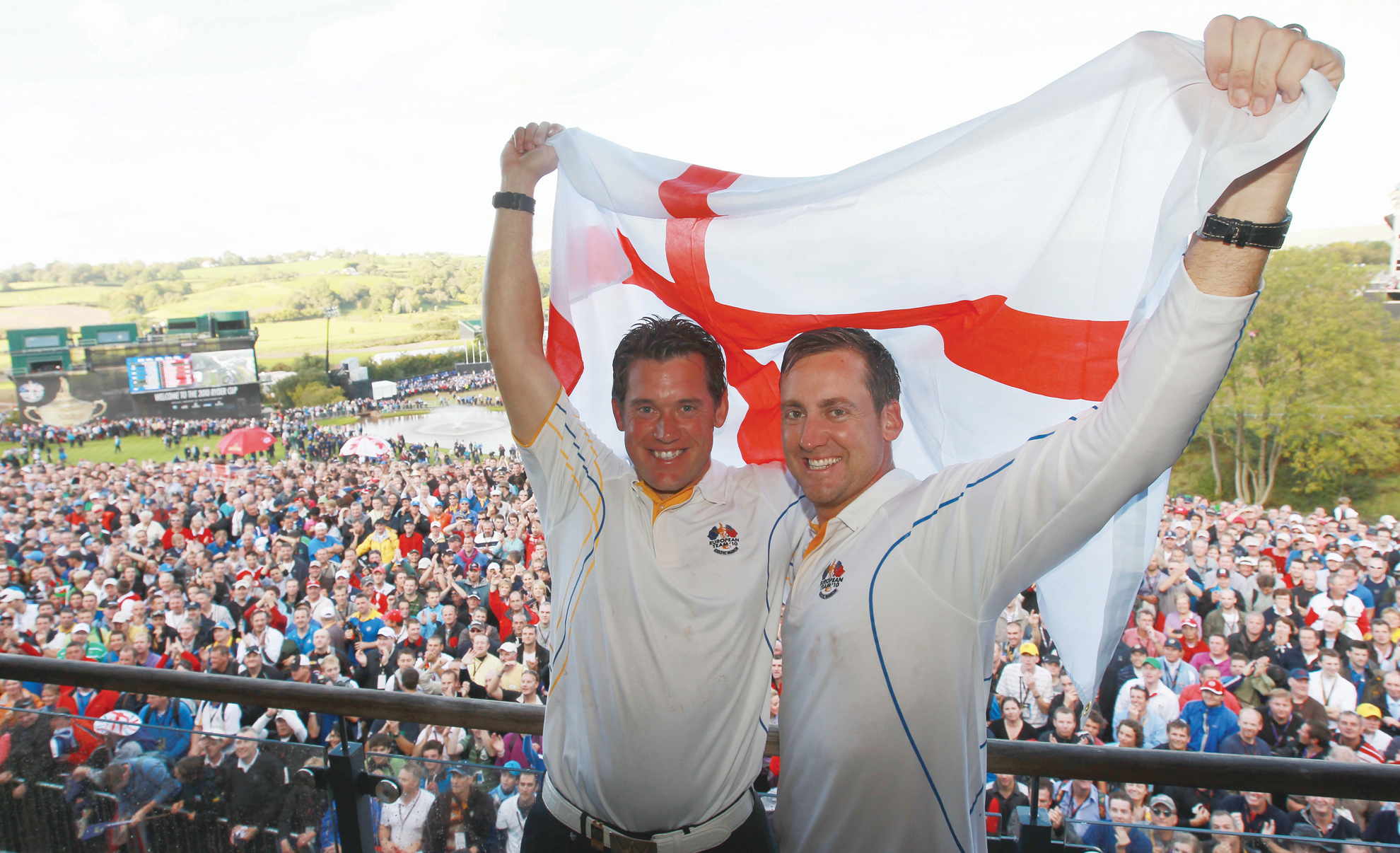
Players like these might have been expected to stay central to European golf long after their best years: as captains and vice-captains, as mentors, as elder statesmen at DP World Tour events. Instead, LIV separated them from the ecosystem that built those reputations. Both resigned their DP World Tour memberships amid the dispute over sanctions, which made them ineligible for Ryder Cup involvement under the regulations at the time. Rory McIlroy later argued they had become “too far removed” from the current generation to be realistic captaincy candidates.
I find that sad, and not because I think either man was wrong to maximise his earnings. Careers are finite, and the figures on offer were extraordinary. But decisions have consequences, and I wonder whether part of the price was a slice of long-term legacy. Twenty years from now, fans won’t remember the money first. They will remember Poulter’s Ryder Cup eyes, Westwood going toe to toe with Tiger Woods, and Sunday afternoons in blue. Yet the relationship with the Tour and the team that helped create those memories was fractured. That is one of LIV’s great losses.
The Contrast: Luke Donald
Luke Donald could easily have been remembered principally as an outstanding player and former World No.1. Instead, he has written another chapter. Europe won convincingly in Rome in 2023 under his captaincy. He returned for Bethpage in 2025, something modern European captains are rarely asked to do, and Europe won again. Now he has been named captain for a third successive Ryder Cup, at Adare Manor in 2027, the first European captain since Tony Jacklin to lead the team three times in a row, with the chance to become the first to win three consecutive matches.
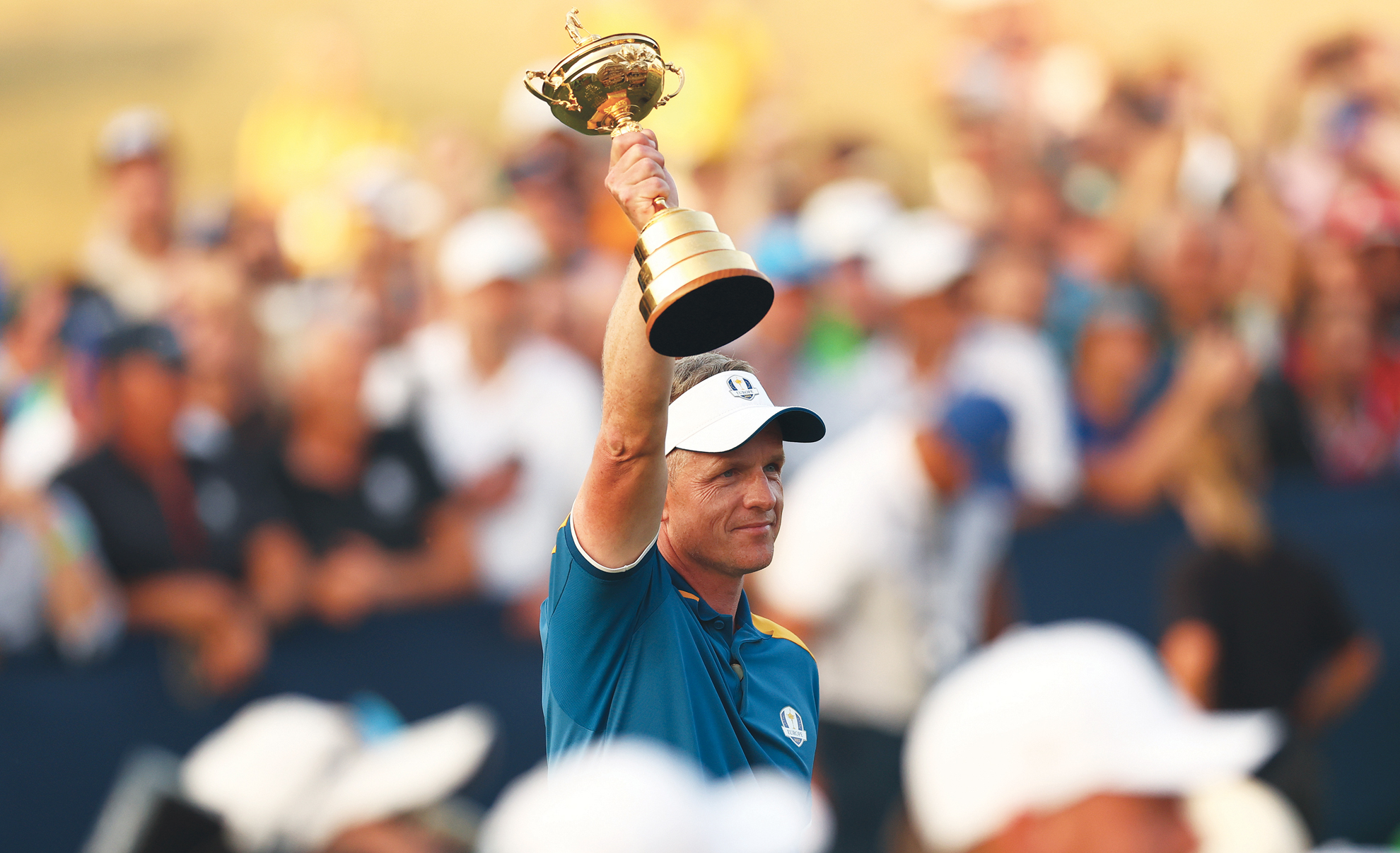
Donald is building a legacy that may eventually outstrip the one he created with a club in his hands. That is what staying connected to the traditional game can offer. It isn’t just about this week’s prize fund; it’s about what comes next: captaincy, mentorship, administration, broadcasting, leadership. Golf careers can last a lifetime if you remain part of the game’s fabric, and I think some LIV players underestimated what they were leaving behind.
Stars Harder to Follow
Cameron Smith is a player I look at and wonder what might have been. When he won The Open at St Andrews in 2022, he was one of the hottest properties in golf, a Major champion at the peak of his powers. Since then he has drifted from the weekly conversation, and he missed the cut in all four Majors in 2025. But it would be unfair to write him off. In May he finished tied for seventh at the PGA Championship at Aronimink, his best Major result in nine starts and one that ended a run of six consecutive missed cuts in the Majors dating back to 2024. It was a timely reminder that the talent is still there. Whether one good week in a Major marks a genuine return remains to be seen, but playing well and staying relevant are not the same thing, and Smith has managed more of the former than the latter.
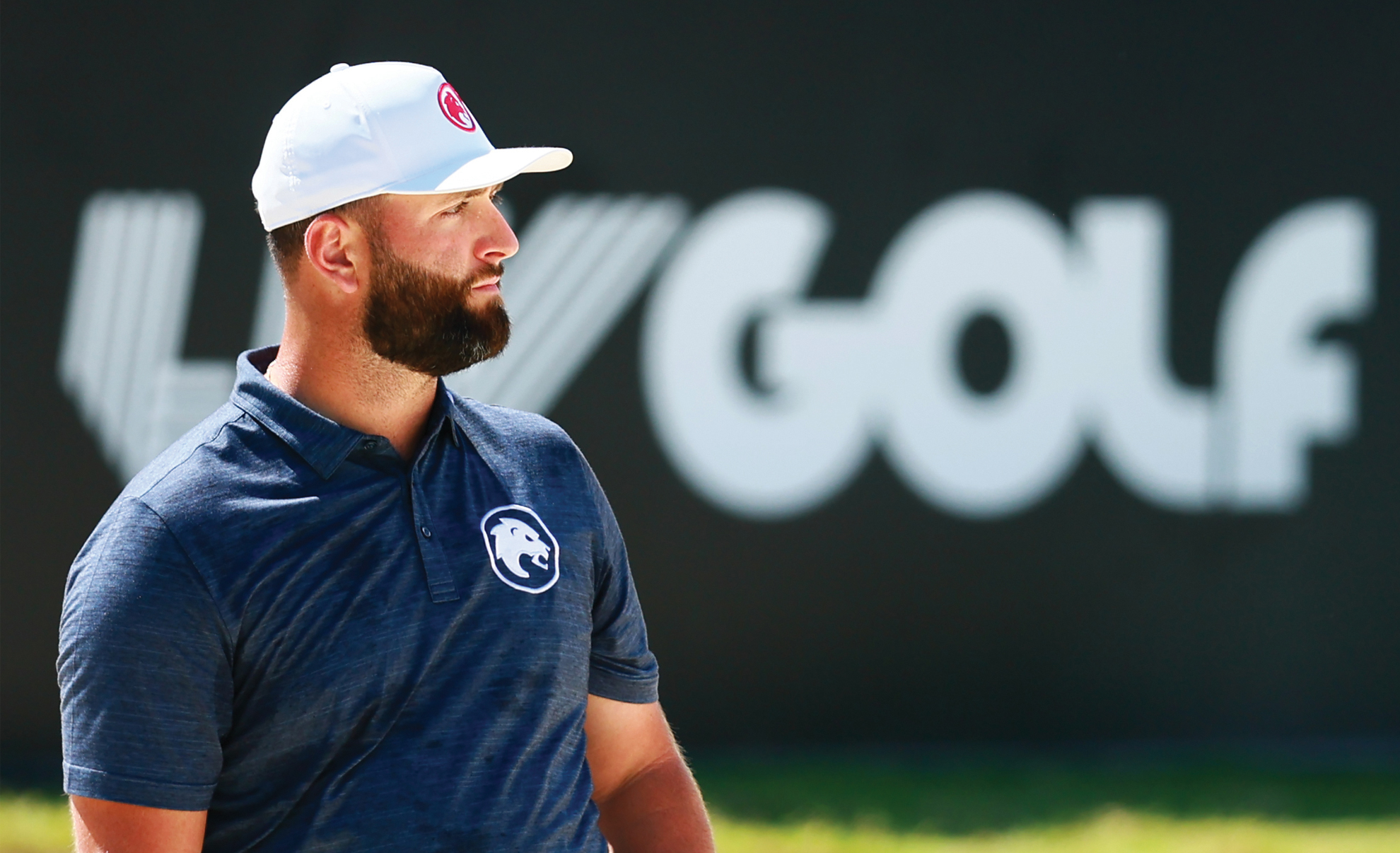
Jon Rahm is more complicated. Like Smith, he is a Major champion (two of them, in fact), and he remains an exceptional player, so it would be unfair to suggest otherwise. But he joined as the reigning Masters champion and one of the two or three biggest draws in the sport, and he has since been absent from the PGA Tour’s weekly stage, with LIV events still carrying no Official World Golf Ranking points. For a player of his calibre, the Majors have become almost the only occasions on which the wider audience sees him.
That made last week’s BMW PGA Championship at Wentworth all the more uncomfortable to watch. Rahm opened with a 6-over 78, tying his worst round on the DP World Tour, and followed it with a 77. He missed the cut and finished last among the 140 players in the field. It was one dreadful week, and Rahm has not said that the turmoil around LIV affected him, so I wouldn’t read too much into it; he did, after all, tie for second at the PGA Championship in May. But when a player of that quality finishes bottom of the field at the DP World Tour’s flagship event, it is hard not to wonder. LIV paid handsomely for stars. What it struggled to manufacture was relevance.
Bryson Proved Something Different
Bryson DeChambeau is LIV’s most interesting case, because he actually became more popular. But I don’t think LIV deserves most of the credit. His 2024 Major season was superb, culminating in a magnificent U.S. Open win at Pinehurst. At the same time, something else was happening: YouTube.
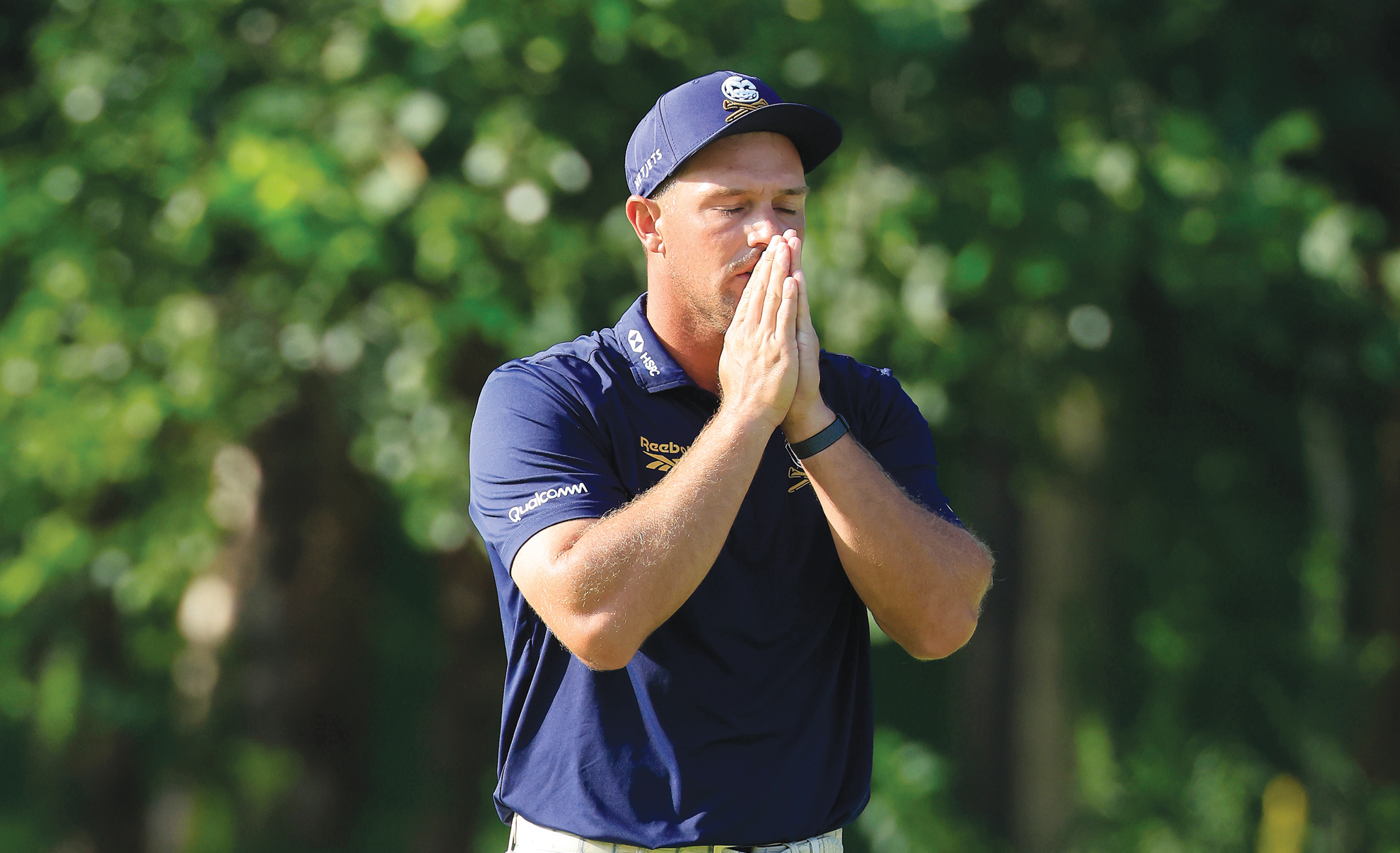
Bryson understood before most elite golfers that modern fans don’t necessarily want polished press conferences. They want access. His Break 50 series showed his personality, and by August 2026 his channel had around 2.8 million subscribers. Ironically, the supposedly revolutionary league wasn’t what made one of its biggest stars feel revolutionary. YouTube did. And when did you last talk about something Bryson did in a regular LIV event?
It also complicates my own argument. I’ve suggested that relevance and legacy come from staying inside golf’s traditional institutions: the Tours, the Ryder Cup, the Majors. Bryson has built a following that exists largely outside any tour, LIV included. Whether that adds up to legacy in the way Donald’s captaincy does, I’m genuinely unsure. But it’s a reminder that LIV’s real competitor for relevance was never just the PGA Tour. It was a phone screen.
You Can’t Fast-Track History
I never had a problem with LIV trying something different. Golf should experiment. The team concept had potential, and Australia showed LIV could create tremendous atmospheres in the right market. The problem was that the product never justified the investment. Crushers, Majesticks, Fireballs and RangeGoats were meant to become franchises with genuine fan loyalty, but loyalty can’t be manufactured in a boardroom. Manchester United, Real Madrid and the New York Yankees mean something because generations of supporters have lived their histories. Golf has that history too: Augusta, St Andrews, the Ryder Cup, the Claret Jug, Wentworth, Pebble Beach. LIV tried to buy history rather than build it.
The bigger cost was to the conversation around the sport itself. For years it stopped being about golf and became about lawsuits, ranking points, suspensions, defections and eligibility. Fans picked sides, players who had spent decades as colleagues found themselves on opposite sides of a divide, and the Ryder Cup became tangled in eligibility arguments.
Money was at the centre of it. Figures that once sounded extraordinary (two million, ten million, fifty million dollars) stopped registering at all as reported contracts reached the hundreds of millions. Sport works because money is the reward for achievement: win the Major, change your life. LIV frequently reversed that, so the life-changing cheque came first and the tournament after. That alters the emotional contract between athlete and spectator. Fans need jeopardy. They need to believe winning matters.
To Be Fair to LIV
None of this means LIV achieved nothing. It took elite golf to Australia, Saudi Arabia, Singapore, South Korea and other markets the established tours had rarely prioritised, and by most accounts the atmosphere at those events was genuinely good. It pushed the PGA Tour to confront how the game’s revenue reached the players who generated it, and the Signature Events and larger purses that followed were a direct response. If LIV re-emerges as a smaller, sustainable team circuit rather than a rival to the establishment, some of that legacy could yet be positive. My argument isn’t that LIV brought nothing of value. It’s that the value it did bring came at a cost to things golf can’t easily rebuild, and I don’t think that trade was made with open eyes.
So What Was It All For?
LIV reportedly spent billions in its attempt to reshape professional golf. I hope the game learns from the past four years. It needed evolution rather than upheaval: better pathways for young professionals, more investment beneath the elite level, greater international opportunity, better storytelling, more innovation. Imagine what even a fraction of that capital and attention could have done for developmental tours, women’s golf, junior golf and grassroots facilities. That, I believe, is the opportunity missed.
Perhaps that is the lesson LIV never truly understood. Money can buy golfers, tournaments and enormous prize funds. It can’t buy history, relevance or legacy. Ultimately, those are the things that make sport matter.
Opinion: the views expressed are the author’s own and not those of the DP World Tour.