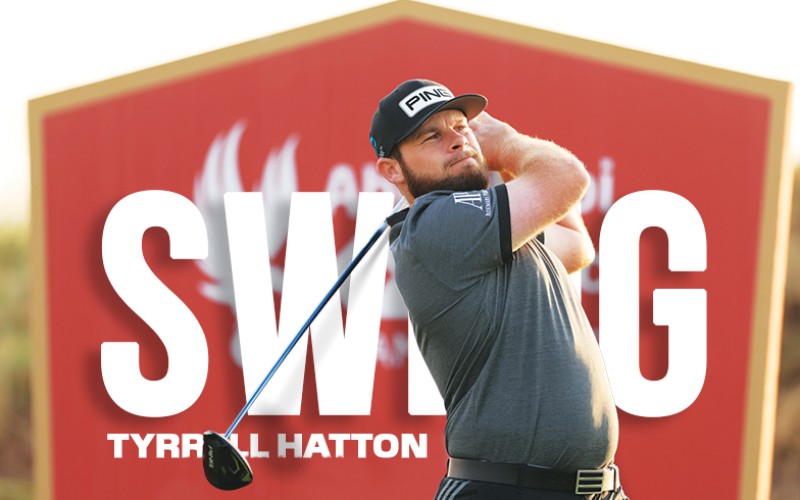

From the fairways of Dubai to the biggest stage in amateur golf, Josh Hill’s rise has been remarkable. A MENA Tour winner at 15, a cut maker on the DP World Tour as a teenager, and now a 2026 Walker Cup selection for Great Britain & Ireland, Hill heads to Lahinch with one eye already on the professional ranks that await him afterwards. I caught up with Josh to talk about Dubai, America, and the journey so far, and he confirmed that, win or lose at Lahinch, Walker Cup week will mark his final act as an amateur before he turns professional.
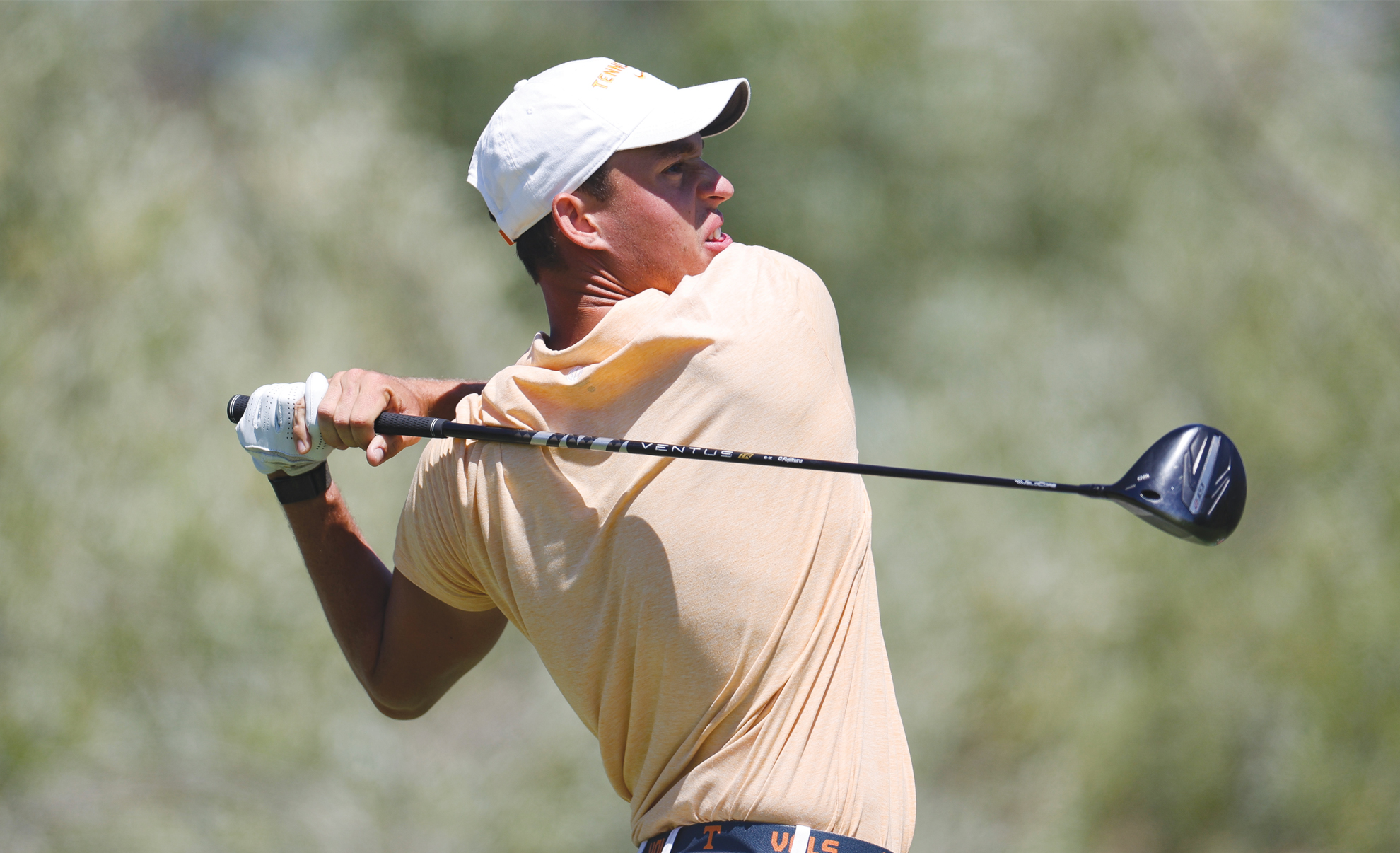
Josh, you grew up playing golf in Dubai and have gone from competing in junior events in the UAE to being selected for the Walker Cup. When you look back, how important was Dubai in shaping the golfer you are today?
Looking back at my junior days in the UAE and how they’ve got me to here now, it’s been a huge part of my life. I don’t think I’d be where I am without it. Everything the UAE offers from a golf perspective is amazing, and it’s helped me get to where I am now and be on the Walker Cup team, through the facilities and through the tournaments they put on. It’s a huge part of why I’m here, and I’ll always look back at those junior days with gratitude for how much they helped me.
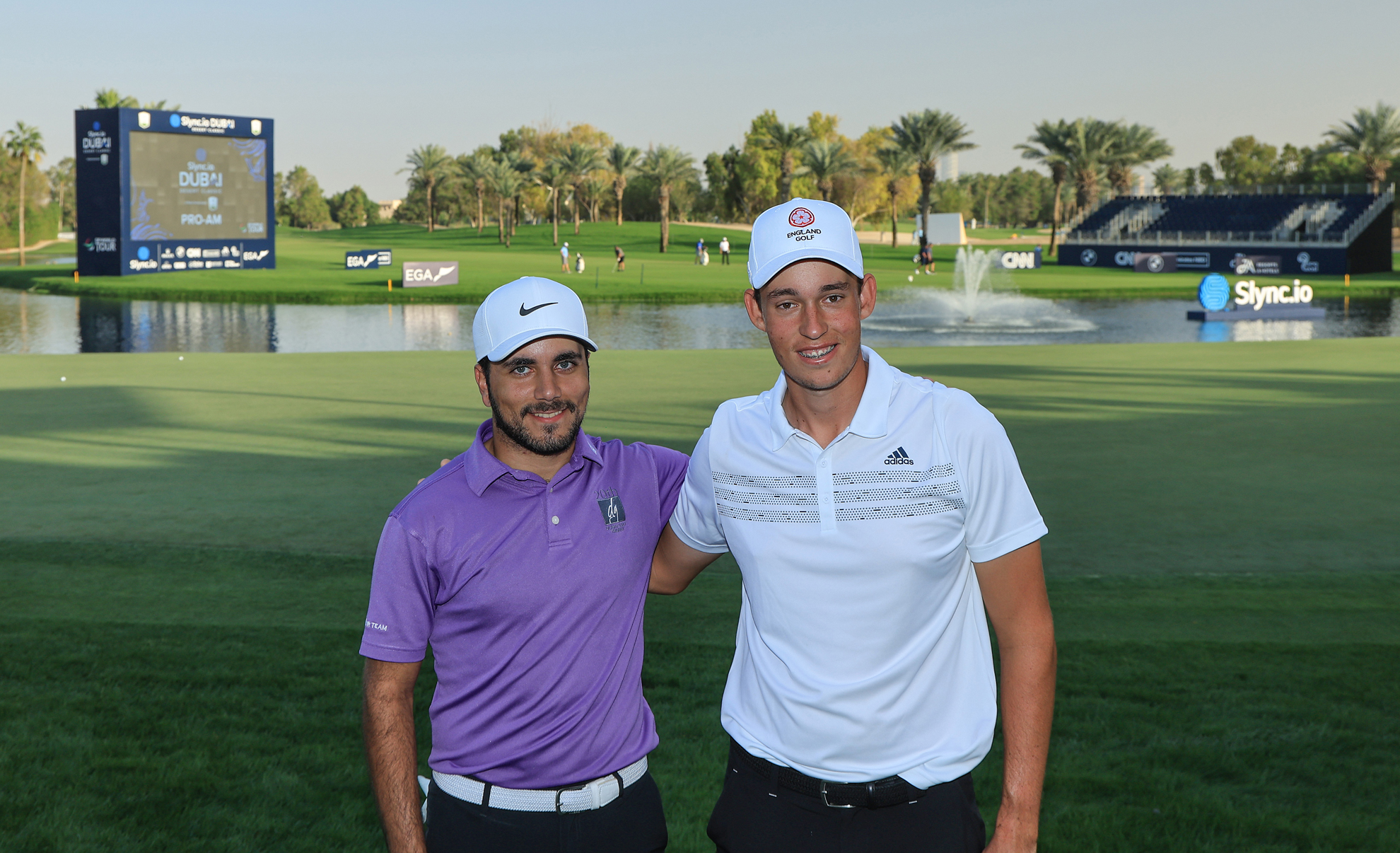
You had access to some incredible courses growing up, but also a very competitive junior golf scene. What did playing against the likes of Toby Bishop and other leading UAE juniors do for your development?
Playing against Toby, Arjun and all the other juniors growing up was huge for me, especially when I was younger, around 10 to 12. Looking up to the older guys really helped me develop as a golfer and become better on the competitive side. You have to be competitive to get better, and those guys really made me the person, and the competitor, I am today.

You were still a teenager when you found yourself playing alongside some of the biggest names in the game at the Abu Dhabi HSBC Championship and Dubai Desert Classic. At that age, did you genuinely believe you belonged at that level, or were you still slightly in awe of it all?
There’s always an element of awe at that age, because you’re right there with people you’ve looked up to since you were young and always wanted to play alongside. But I also had a genuine belief that I belonged there, and that one day I’d be there consistently with them. Those weeks were just another great stepping stone towards that goal.
Making the cut in Abu Dhabi and then doing it again in Dubai was a huge statement. Looking back now with considerably more experience, what do you remember most about those two weeks?
I remember a lot about those two weeks; they were both brilliant. Abu Dhabi especially, when I came back the next morning and finished strongly to make the cut. That was a big part of my journey to where I am today and gave me a lot of confidence at the time. Getting those opportunities was huge for me and really shaped the person I’ve become.
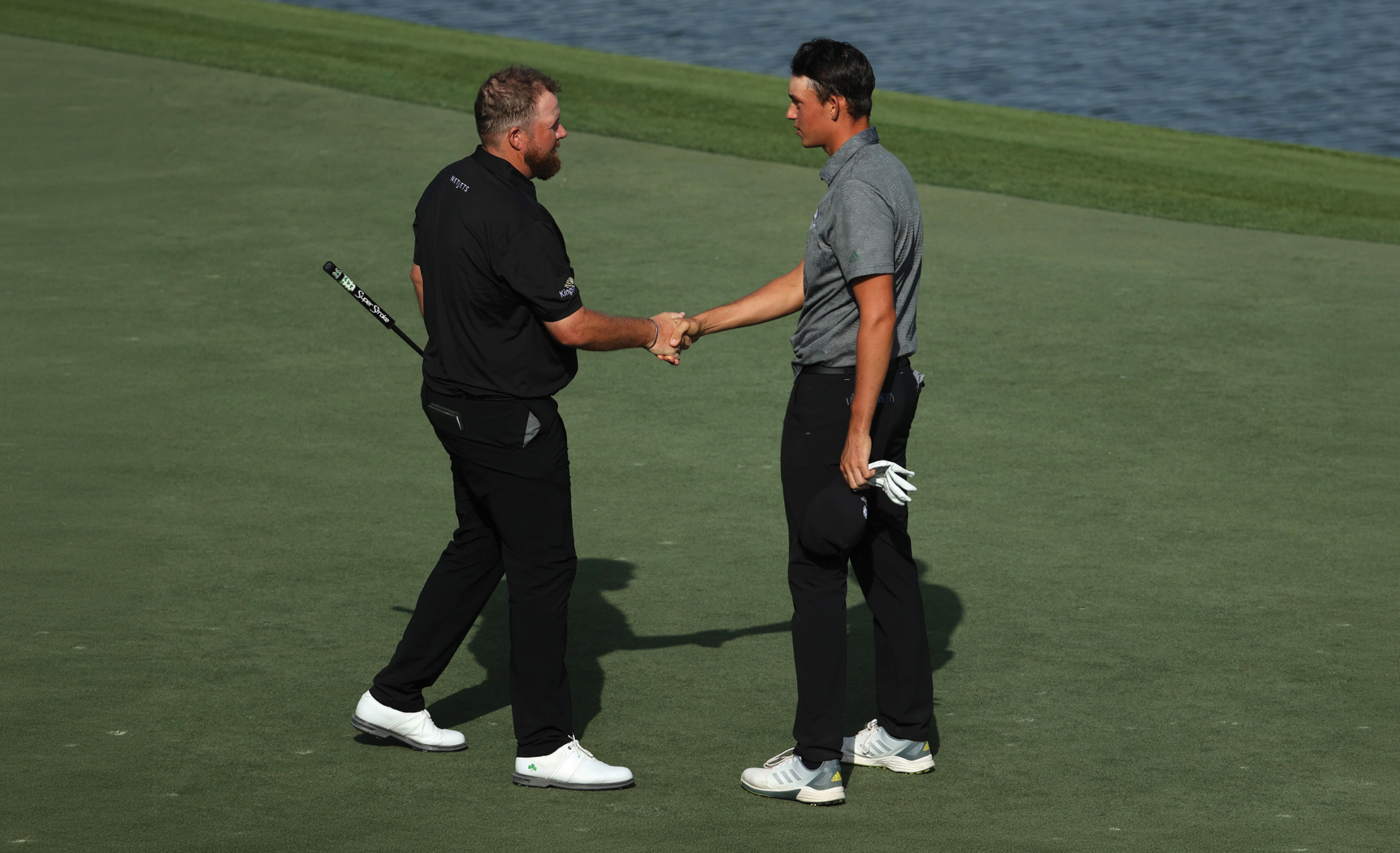
You also became the youngest player at the time to win an Official World Golf Ranking event when you won on the MENA Tour at Al Ain aged just 15. How important was competing against professionals so young in convincing you that professional golf could eventually become your career?
Competing at professional events that young was really important. It convinces you that professional golf can actually be a thing: when you’re that age and competing with professional guys and holding your own, you think, “I can do this, I just need to keep working hard.” It was definitely a convincing factor in shaping my career path, and looking back, it was such a great time and such an awesome achievement.
Leaving Dubai for the University of Tennessee was a massive change, both personally and in terms of golf. What was the biggest shock when you first arrived in America?
There were a lot of big shocks. The way people live their life over there is completely different, and having been homeschooled, stepping into a school environment meant adjusting on a lot of different levels. Then, very early in college, I broke my foot and was out for a good while. When I came back, I really struggled with my game, which was a shock in itself. It wasn’t fun at the time, but fighting through it taught me a lot of valuable lessons that I think will keep putting me in good positions in the future.
College golf in America has a reputation for being incredibly competitive. What has it added to your game that you don’t think you would have developed had you stayed on the amateur pathway in the UAE or UK?
One big thing it taught me was consistency, having to be prepared for tournaments that came thick and fast, much like professional golf. If you played a bad tournament, you didn’t have time to go home and fix things; you had to figure it out before the next one. I think that’s a really valuable lesson for professional golf: being consistent in what you do and learning, week by week, how to play good golf.
You’ve experienced DP World Tour golf, elite amateur golf and NCAA Division I golf. Which environment has put you under the most pressure, and where have you learned the most about yourself?
Each of those environments brings its own specific pressure, and you learn how to deal with each one. You have to be mentally tough. I’d say Division I golf taught me the most, just because of what I went through, especially early on, after coming back from injury. There were a lot of hard times where I had to dig deep, and I did a good job of that, coming out the other side much stronger. So I’d say NCAA Division I golf, from that angle, but they all bring their own pressure, and once you’ve experienced it, you learn how to handle it.
The Walker Cup is one of those events every elite amateur knows about. When did representing Great Britain & Ireland become a serious personal goal rather than something that simply seemed a long way in the future?
It became serious around 2022, right when I first got into the practice squad and was leaving for college. I couldn’t play much golf that summer because I had to focus on my grades, so I missed out on selection that time, which was disappointing but understandable. Then I went through the injury and wasn’t playing well enough to be considered. Now I’ve fought my way back into position to compete, and I’m proud of how I got here despite missing out a couple of times along the way.
What did it feel like when you finally received confirmation that you were in the team, and who was the first person you called?
It was awesome hearing from Dean Robertson, the Great Britain & Ireland captain, that I’d made the squad. I’d actually had a message from him about three weeks earlier, after the South of Ireland, but I misread it. I thought it meant I hadn’t made it. When he called, I told him that, and he said no, that message had been about direct qualification from the tournament. He was thrilled to have me on the team, and I was out on the golf course, ecstatic and really happy. I think I called my parents first, and it was a great feeling, especially after thinking I’d missed out.
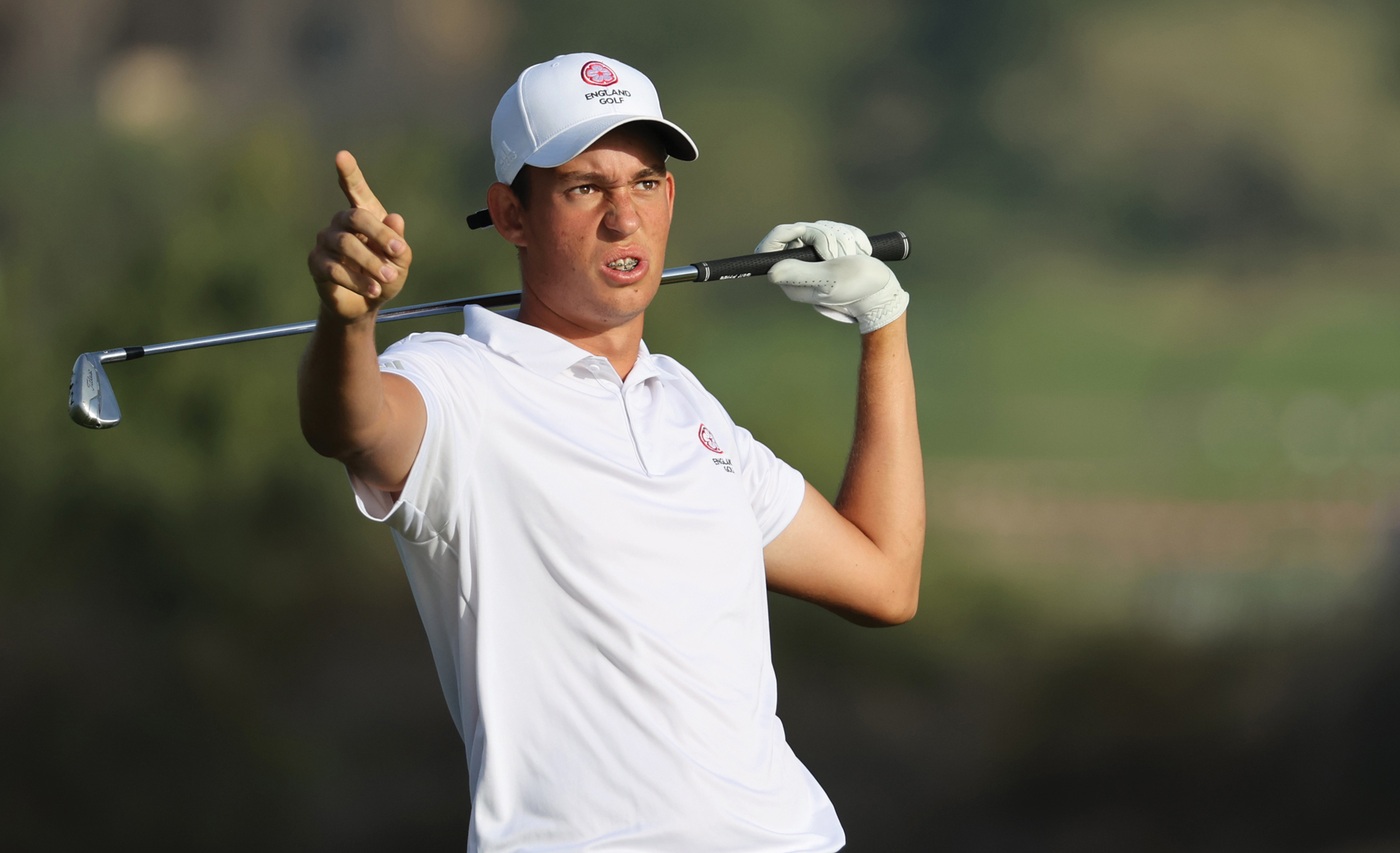
You’ll arrive at Lahinch having grown up playing very different golf in Dubai before spending several years competing in America. How much of an advantage could that variety of experience be when you have to adapt to links golf and match play?
I think it’ll be a great advantage. My whole life I’ve had to adapt to different scenarios, whether in America, Dubai or the UK. Everyone at Lahinch will have to adapt to something, but I feel it’s an edge for me because I’ve had to adapt constantly, another thing Dubai taught me early on.
You’ve already achieved things most golfers your age could only dream about, but the obvious question is what comes next. How close do you feel you are to being ready for professional golf, and what would success look like for Josh Hill over the next five years?
What comes next is becoming the professional golfer I dreamed about as a kid. My time in America feels like it’s done, but it gave me a great learning experience to carry into this next step, and I do feel ready for it. As for what success looks like over the next five years, it’s easy to get trapped in results, but if I keep getting better day by day, the results will come. So success, for me, is being consistent with my daily routines and habits and letting the results follow from that, rather than chasing them directly.