


June 18 to 21, 2026 | Shinnecock Hills Golf Club, Southampton, New York
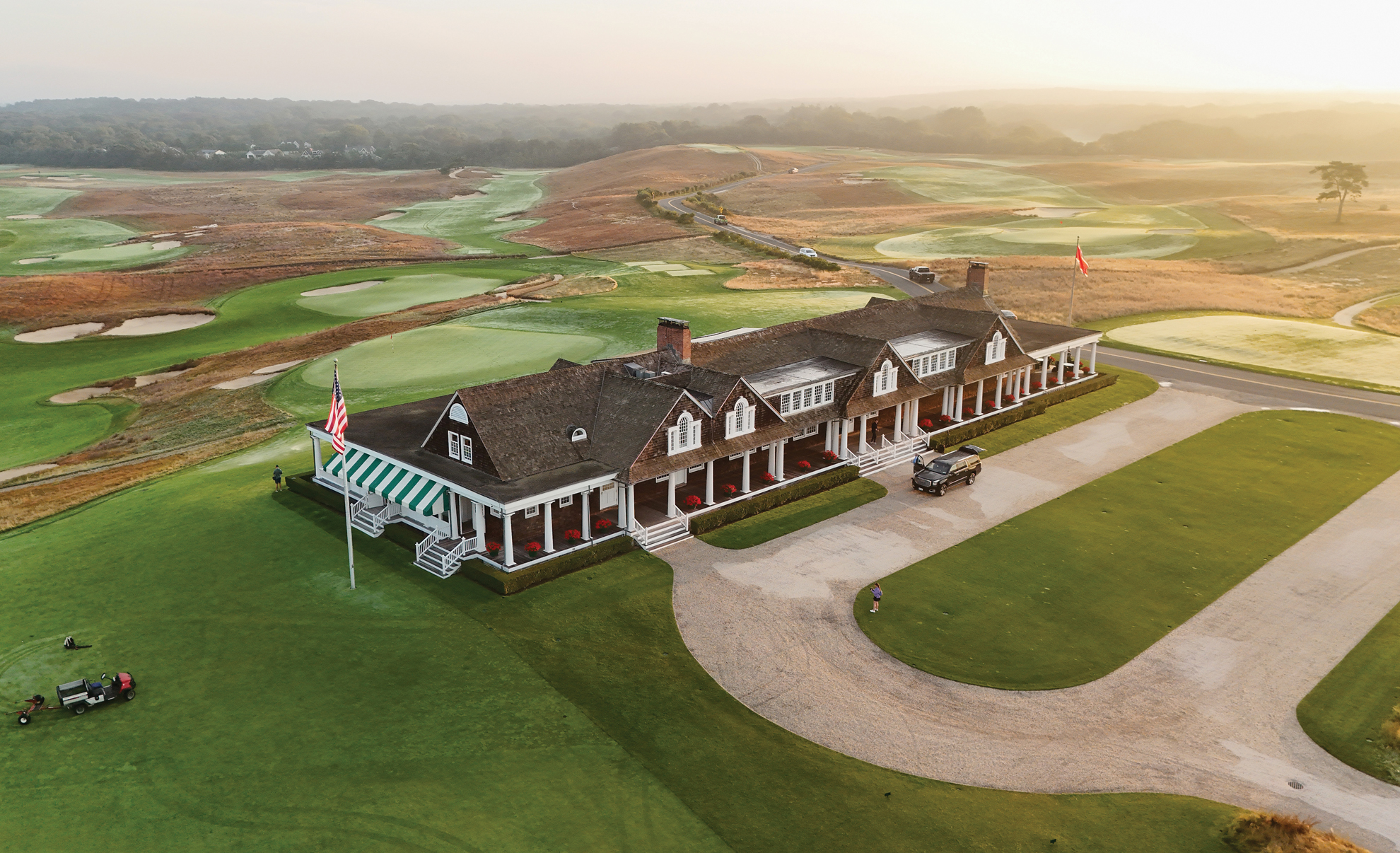
There is a particular kind of cruelty to Shinnecock Hills. It does not hide behind length or gimmicks. The course simply sets itself up on an exposed stretch of Long Island and lets the Atlantic wind do its worst. When the 126th US Open tees off on June 18, the world’s best players will be confronted by one of the most honest examinations in championship golf, a par 70 stretching 7,434 yards across rolling, treeless terrain that has been humbling elite fields since the Victorian era.
The Course: America’s Most Authentic Links Test
Shinnecock Hills is the only golf course to have hosted a US Open in three different centuries, standing witness in 1896, 1986, 1995, 2004, and 2018. This June it welcomes the championship for a sixth time, and the USGA has confirmed it will be the first played without any modifications to William Flynn’s original 1931 design. Nobody at the USGA has been brave enough to argue with Flynn yet, and looking at the history of winners here, it is hard to blame them.
Flynn’s genius was in routing the course so that three sets of consecutive holes form triangular patterns, meaning players face headwinds, tailwinds, and crosswinds in every conceivable combination regardless of the day’s prevailing weather. There is no shelter, no quiet corner where a struggling round can be quietly rebuilt. The greens compound the punishment: fast, severely contoured, and perched on elevated complexes, they demand the correct approach angle as much as they demand accuracy. The right half of the fairway matters as much as the fairway itself.
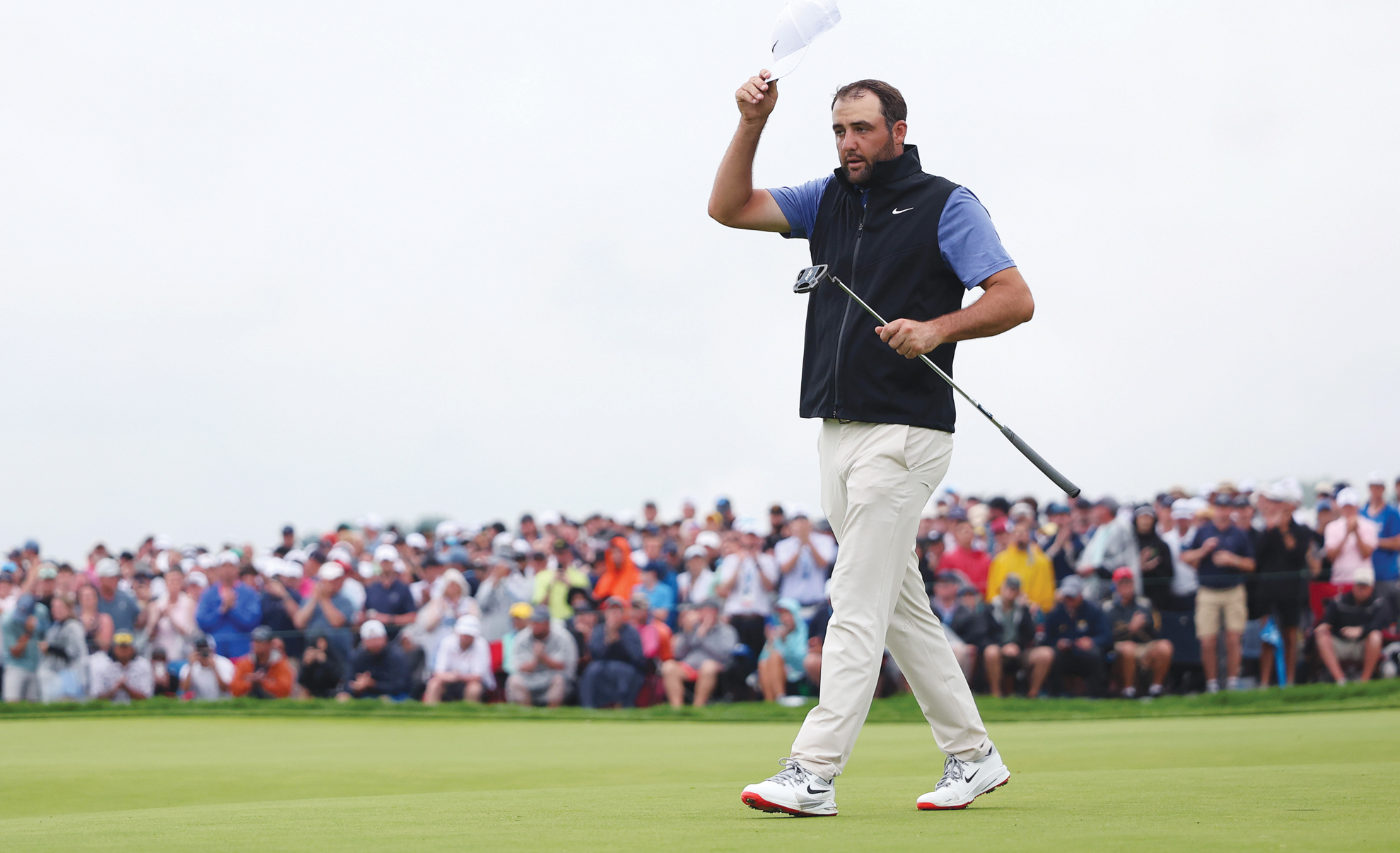
Winning totals here tell the story plainly: Floyd at one under in 1986, Pavin at even par in 1995, Goosen at four under in 2004, and Koepka at one over in 2018. Think of it as a four-day anger management course, with a trophy at the end for whoever holds it together best. The 2018 leaderboard also confirmed that the best iron players rise to the top: Tommy Fleetwood, who lost by a single stroke, ranked first in driving accuracy and second in greens in regulation that week. Distance helps, but precision from 150 to 200 yards is the decisive currency at Shinnecock Hills.
The Favourites: Form Meets Fit
Scottie Scheffler arrives as the clear World No. 1 and the man everyone else is chasing. He won the PGA Championship in 2025 at Quail Hollow, has logged multiple top-four finishes in 2026, and has the chance to complete the career Grand Slam. Sunday’s final round falls, almost poetically, on his 30th birthday. His strokes-gained tee-to-green numbers remain the best on tour, and his ball-striking is well-suited to a course that rewards controlled trajectory and approach accuracy. The one question mark is Scheffler’s putter, always the most scrutinised part of his game, which has shown some vulnerability on firm, fast surfaces. At Shinnecock, where putting is not simply a matter of speed but of reading extraordinary slopes under pressure, that could be the shot of difference between lifting the trophy and giving a gracious runner-up speech.
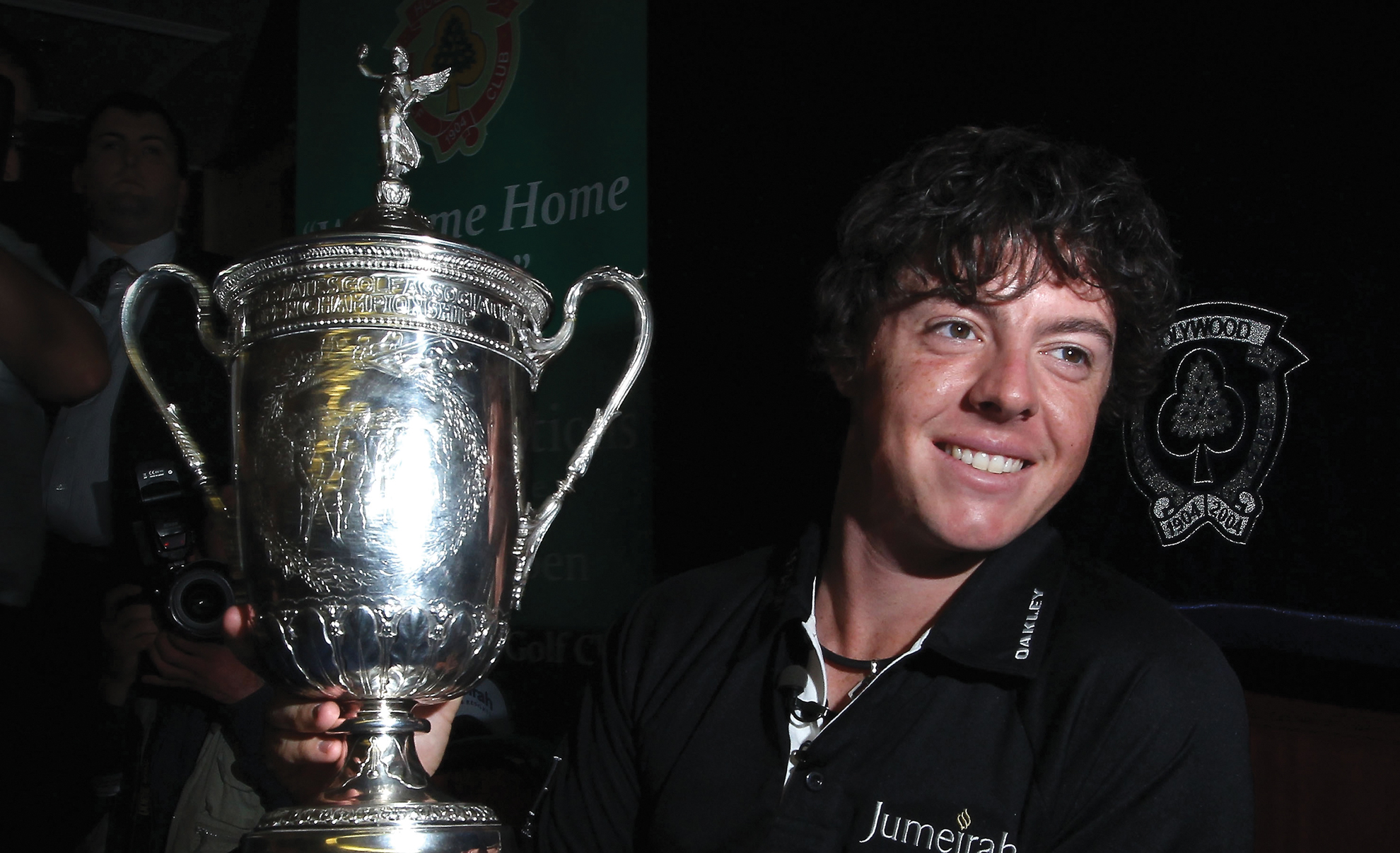
Rory McIlroy arrives carrying the kind of form that makes bookmakers uncomfortable. The 37-year-old successfully defended his Masters title earlier this year, capturing his sixth Major and his second consecutive green jacket, before a creditable showing at Aronimink in the PGA Championship. Currently ranked second in the world, McIlroy’s long game remains among the game’s finest: his driving distance and accuracy combination sits at the top of the strokes-gained approach rankings, and he is one of the few players on tour who can genuinely shape the ball both ways under pressure. Shinnecock has historically rewarded exactly this type of player. McIlroy has not won a US Open since his 2011 romp at Congressional, and it is the one title that still sits awkwardly in an otherwise extraordinary career. He will not need reminding of that.
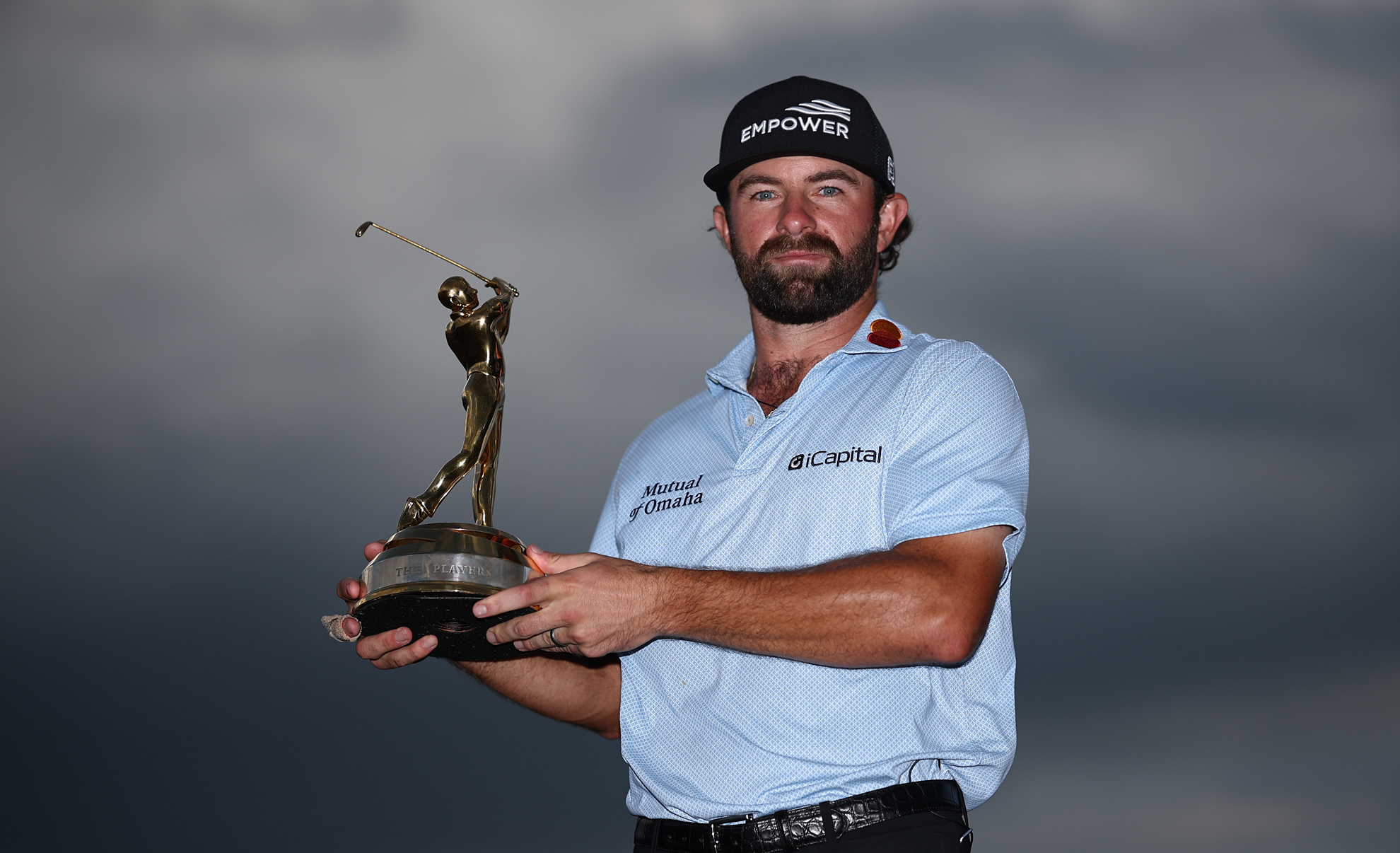
Cameron Young has been the season’s biggest mover. The American won The Players Championship and the Cadillac Championship at Doral, rising to the top of the FedEx Cup standings, and tied for third at the Masters. Young leads the tour in strokes-gained off the tee and ranks highly in approach play from the 150 to 200 yard range, the exact distances that will dominate at a windy Shinnecock. Shinnecock has twice been won by players relying on quiet precision rather than a spectacular game, and Young fits that mould rather well.
Statistical Flags: Players Whose Games Suit the Test
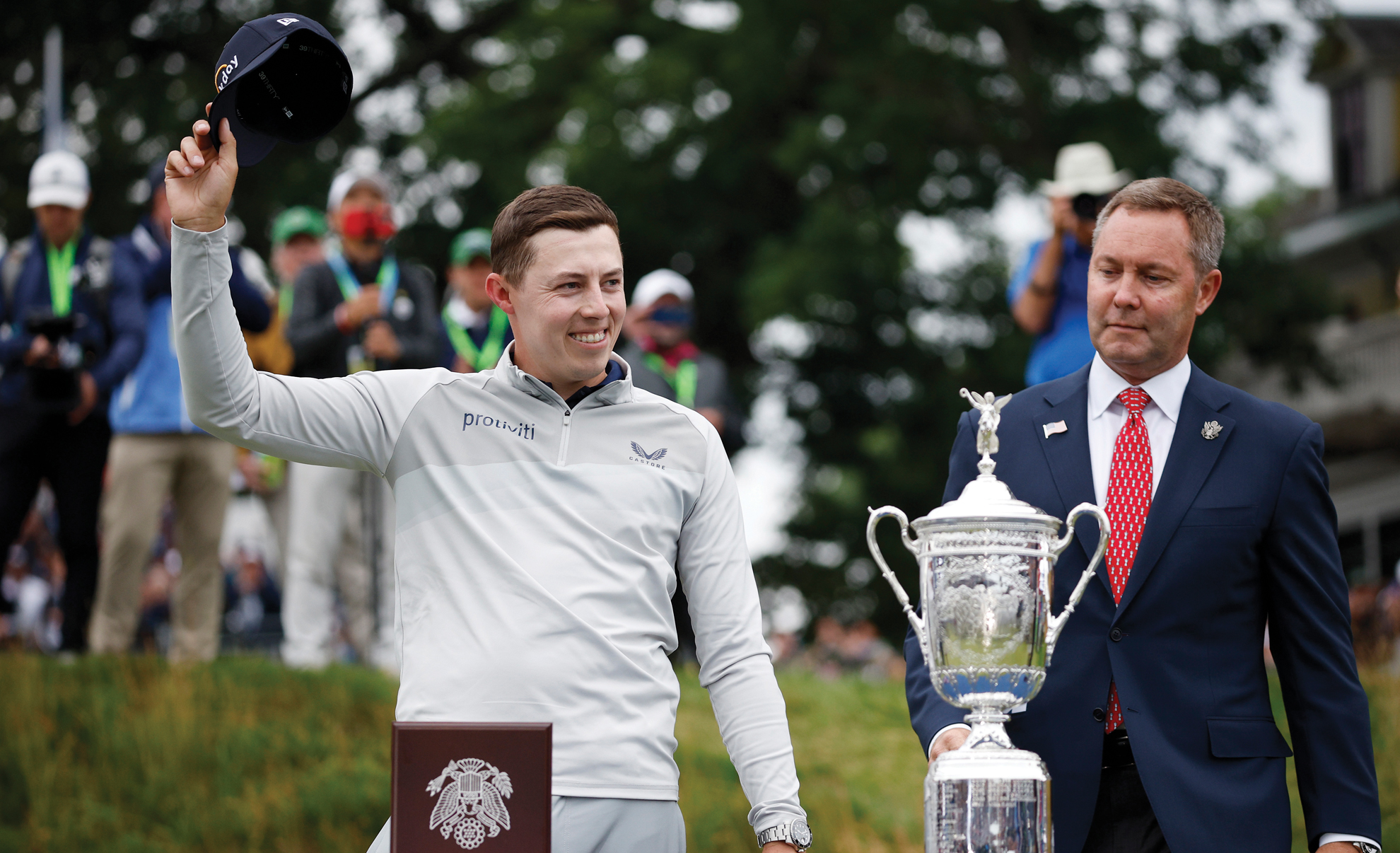
Matt Fitzpatrick warrants serious attention from anyone doing their homework before placing a bet. The Englishman has won three times in 2026, including the RBC Heritage, a Harbour Town event that rewards iron precision and scrambling excellence in ways that mirror Shinnecock’s demands almost exactly. His strokes-gained approach figures have been exceptional this season, and he already knows how to win a US Open, having done it at Brookline in 2022. Fitzpatrick plays a low, penetrating ball flight, which in an Atlantic crosswind is a decisive practical advantage over players who habitually launch it high and hope for the best. In short, he is built for this.
Aaron Rai enters the championship on the back of the most stunning result of the season. His final-round 65 at Aronimink to claim the PGA Championship, at odds of 290-1 on the morning of the final day, was not a fluke but the product of a ball-striking week that held up from first tee to last green. His ability to flight irons under wind, a skill refined during years on the DP World Tour, makes him a genuine contender at a course that will ask very similar questions.
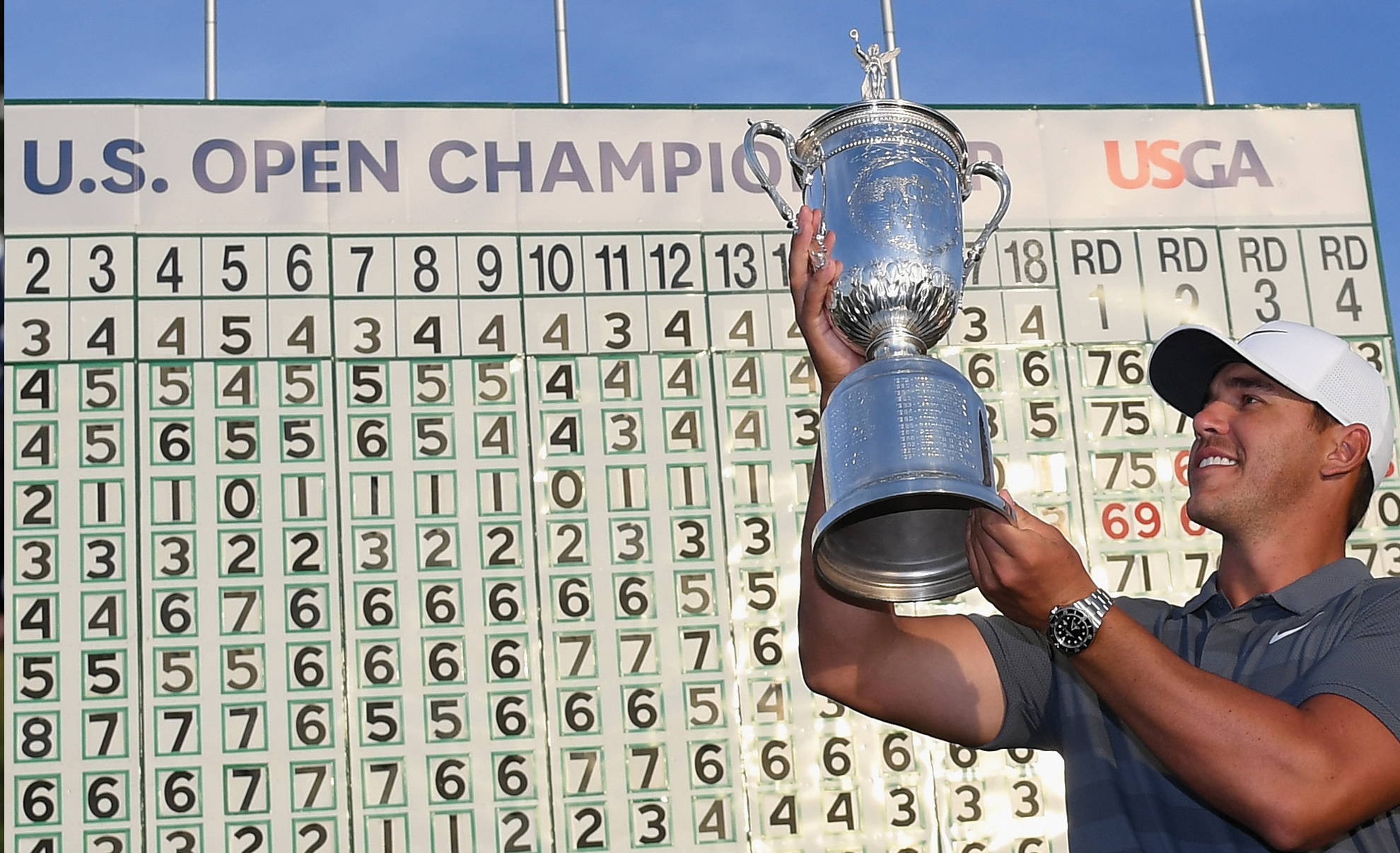
Brooks Koepka, the 2018 Shinnecock champion, is the kind of player you forget about at your peril. His record at US Opens, five top-five finishes in his last eight starts, reflects a player who simply raises his level when the USGA tightens the screws. He knows every wind current and recovery angle at Shinnecock, and that accumulated knowledge is worth shots. Do not let the current world ranking fool you.
The Wildcard: Wind and the Underdogs
Shinnecock’s great levelling quality is precisely what makes it dangerous for overwhelming favourites. The routing triangles ensure that no tee time is consistently easier than another, and a calm morning draw can become an ordeal by afternoon. When the wind strengthens, the scoring gap between elite ball-strikers and the rest narrows considerably. A compact iron player with a hot putter can compete with anyone on this layout for four days.
The conditions in Southampton in late June are notoriously unpredictable. The 2004 championship became controversial when the course was allowed to dry to near-unplayable firmness on Saturday afternoon, and the 2018 edition tested every discipline simultaneously. The USGA will aim for a balance between difficulty and fairness, but on this course the weather is not background noise. It is the co-designer.
Final Word
Shinnecock Hills sets up as the most intellectually demanding test on the Major schedule. It does not ask players to hit the ball harder. It asks them to think better. The winning score is likely to land somewhere between even par and four under, depending on conditions, a target that compresses the scoring range and opens the door for any elite ball-striker who finds his iron game for four days.
Scheffler’s Grand Slam quest and McIlroy’s relentless season make them the logical market leaders. But this is Shinnecock. The course has never been impressed by reputation or backstory.
It cares only whether the player standing on the first tee on Thursday morning can flight a six-iron under a crosswind and make the right call when the fairway is offering two very different answers.