


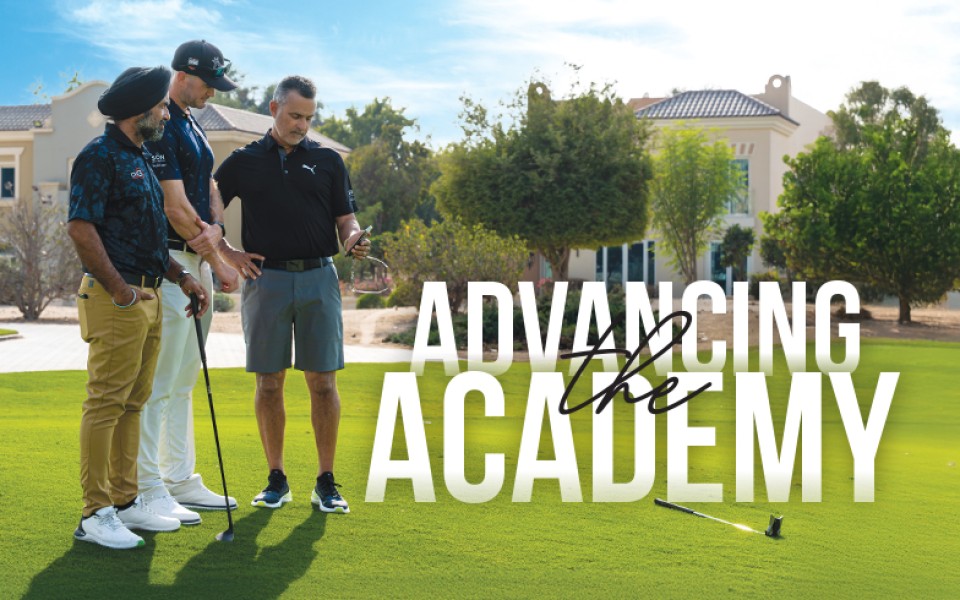
TOM NORTON sits down with Claude Harmon III at The Els Club to chat about growing the regional game, the return of the MENA Tour and how his ever-evolving academy is preparing the next generation of professional golfers.
WWG: Great to see you again Claude, we last spoke a year ago in this very spot. Could you fill us in on what’s changed at the CH3 Academy since then?
Well, the main thing we did was we basically just took the entire inside of the academy and gutted it, and really kind of modernised it. It really hadn’t changed much since I moved here in 2008 and was here until 2011. And really, in that timeframe, the building was the building. Now we’re adding in a new product called Platform Golf, which is going to be an articulating floor to where you’ll be able to not only use a floor that kind of moves and tilts for putting, but it’s also going to be able to do that from a full swing standpoint. So, we’re really excited; that’ll hopefully go in in December. We also took a storeroom back behind our gym and turned that into a recovery room, which is, now a huge part of the athletic side of what we’re doing golf-wise. So that’ll have all the cold plunge, infrared, massage stuff. When I was here last year, this was all under construction, so it’s really exciting for me to come back and see kind of everything that’s kind of finished.
The ownership here at Els has been very, very cooperative with these changes and believes in the vision that we’ve got.
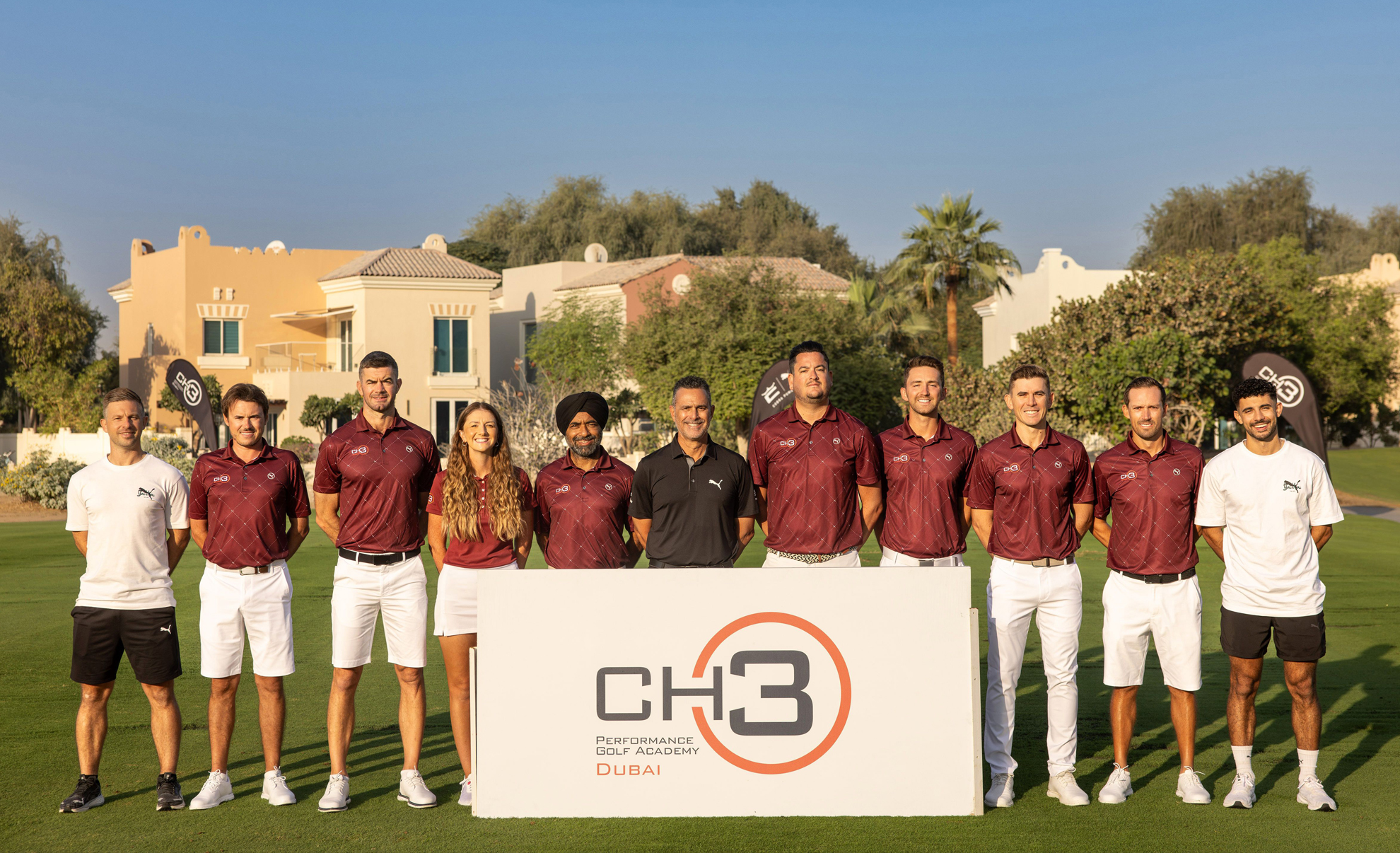
WWG: An integral part of the Academy has been its focus on the Elite Junior Golf Development Program, what does that mean for the young players here trying to turn pro?
I’m incredibly lucky with the 25 year career that I’ve had, you know, with working with tour players; I’ve met a lot of college golf coaches. And so I have a good Rolodex. I feel like it’s my job to leverage the relationships that I have and be able to pick up the phone and say, ‘listen, this kid I have here is really starting to come on. This is the player, this is what we’ve seen and this is how his development has improved.’
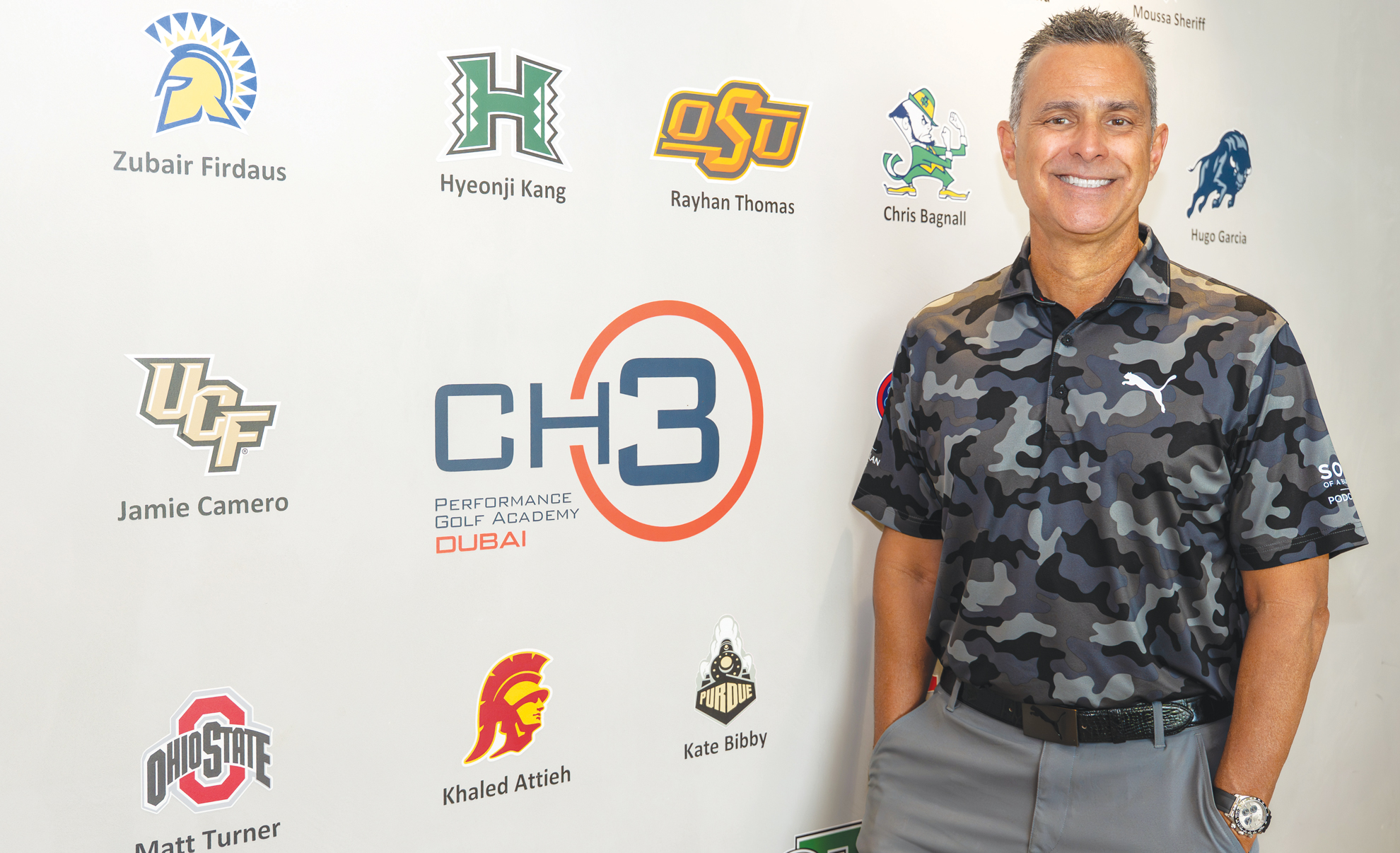
We’ve got a wall that goes into our performance lab, which is our gym. And on that wall, every kid that we’ve worked with that’s come out of our junior program that goes to play college golf in America, the logo of the school is on the wall, their name is underneath it. So that’s, to me, a daily reminder for the kids in the junior program that this is the opportunity that you have. If you work hard, we have the relationships, we know what it takes to play golf at that next level. And I’m proud of the fact that we’ve been able to do that.
WWG: The Academy currently has a direct link with the GEMS School, what does that partnership entail?
One of the things that we wanted to try and do here in Dubai was create an environment similar to what we have in the United States. In America, students always have a strong high school athletic background. Each sport will have a team and most of the people playing college golf in America came out of a high school golf program. So, we wanted to try and create that team environment in Dubai, which is something that is happening in other sports. You would see it in rugby, maybe in football or cricket or things like that, but there wasn’t really a high school kind of equivalent golf program So we partnered with GEMS, and it’s very much the model that we use in the States, to where they go to school and then they come to the academy a certain amount of times a week. And then we’ve created an elite junior development kind of squad, which is where the better players in our junior program are. And then all the various programs we have in our junior program here at the academy, you can move up. And obviously, the better you play and the more that your game improves, and the more that your skillset and your toolbox improves the higher you go. And then at the top of the pyramid is the elite squad, and GEMS has been great with that. They believe in what we’re doing, not only from the golf side of things, but from the physical side of things.
WWG: Regarding specifically the game’s physical fitness aspects you mention, how important is preparing your students for those demands?
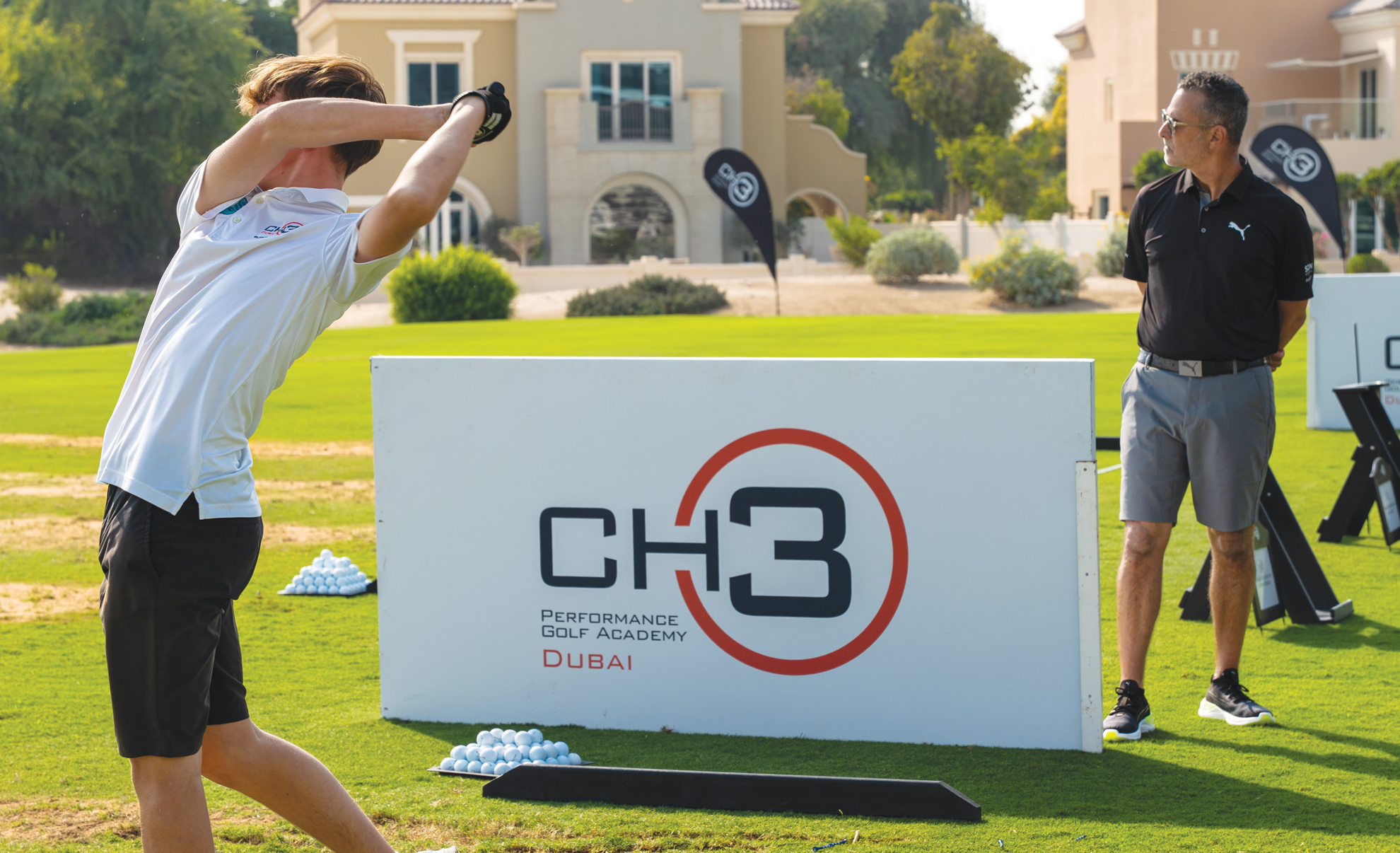
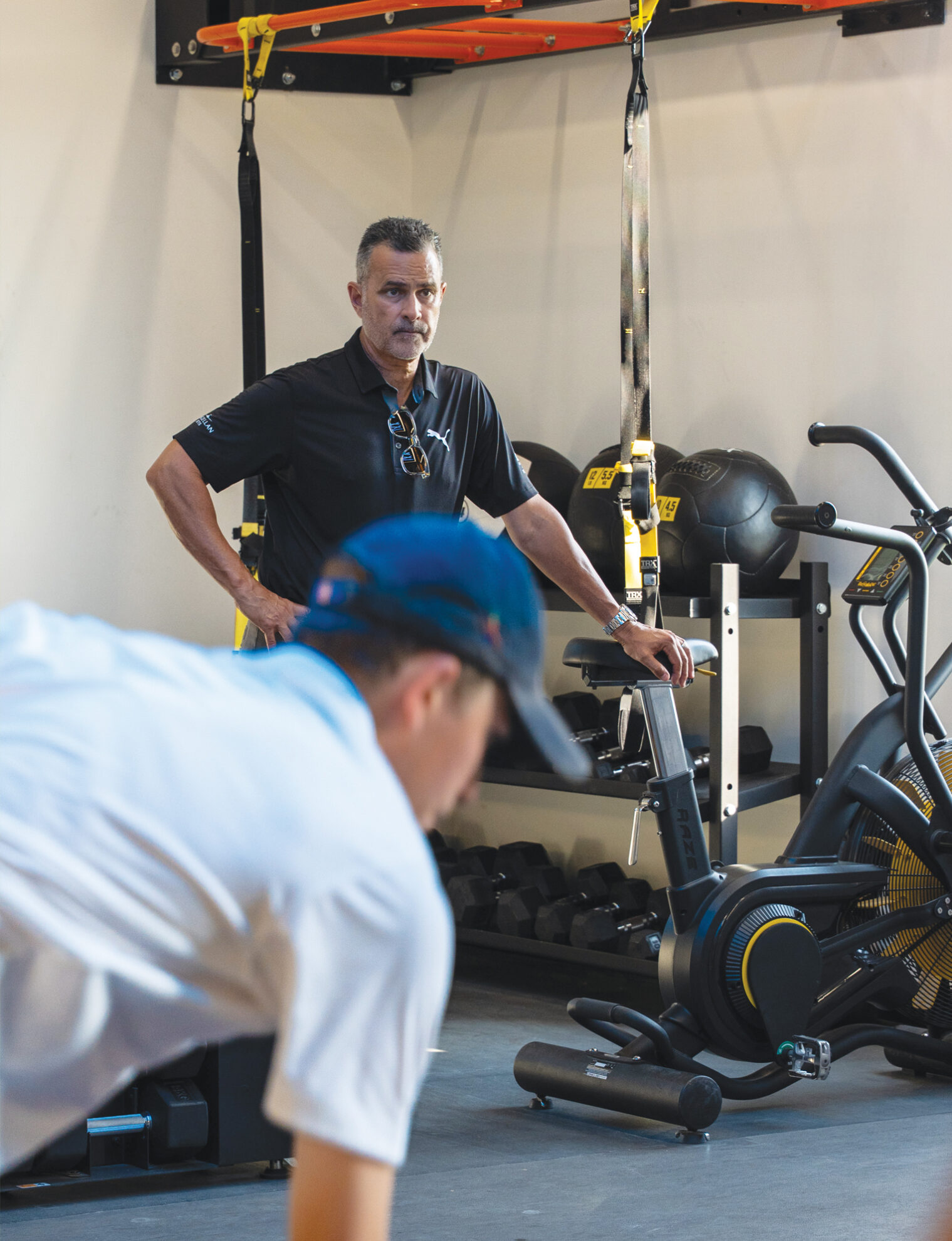
Well, the kids are spending time with us from a golf development standpoint, but then we have two full-time fitness guys here as well. They get into the gym, and so as part of the curriculum, they’re spending time every single week working on their golf games. But also, the core principle of what we’re trying to do is help them become athletes first and golfers second. Twenty five or 30 years ago, no one really thought about that; it was just straight to golf swing. It’s much easier for us to work with athletes. Look at a lot of players on Tour, Scottie Scheffler was a multi-sport athlete, Brooks Koepka was a multi-sport athlete, Gary Woodland was a multi-sport athlete; they’re all Major champions.
So we try and talk to the parents and say we want kids in our junior golf program that are multi-sport athletes. Coming from an athletic background, not just a golf background is hugely, hugely important. We say to kids, ‘yeah, your technique is important and we’ll work on that for sure… but for the physical side of things is too’, so the junior golfers that we have are spending as much time with us on the golf course and on the driving range as they are in the gym.
WWG: What do you do to encourage players at academy level, who may be going through a rough patch in their game, to stay the course?
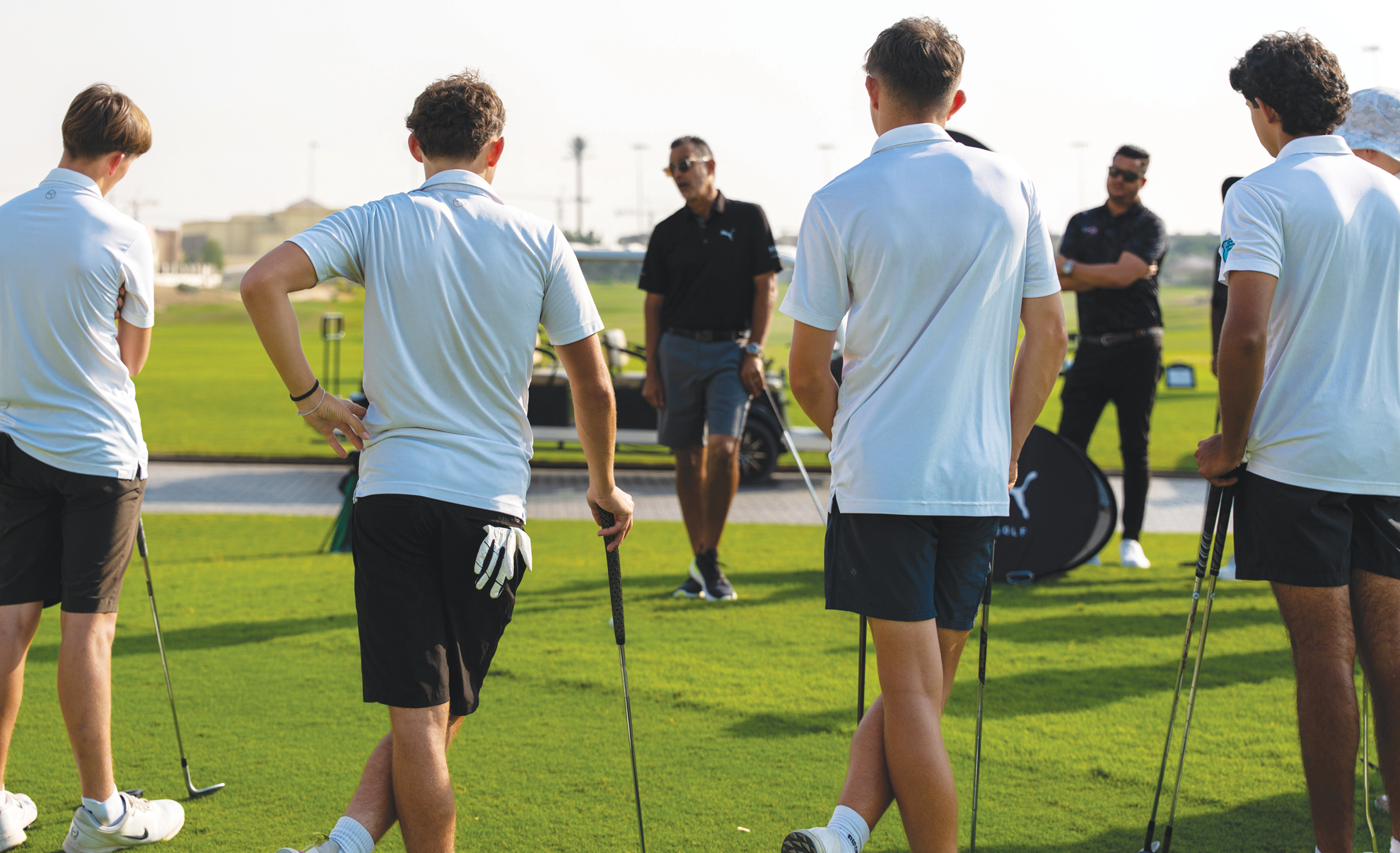
Just every day try and get 1% better. If you’re spending every day trying to be 100% better, you’re probably going to spend every day being 99% worse. Junior golfers historically just work to make their golf swing better. And yeah, having a good golf swing definitely can help you play better golf, but there’s so much more to playing the game of golf, and I think most people don’t really think about the playing golf element; they just think about the practicing golf element. What we’re always trying to do in practice is simulate what they’re going to be feeling on the golf course. A lot of our gamifying practice is having them go and use the driving range like the golf course. Telling them you’ve got to hit a drive in between these two lamp posts, and if you do that, then you have to hit the green with the 7iron. And then you have to go to a putting green, and you have to get a ball and chip it and get it up and down. And if you don’t do that, there’s a physical consequence; you have to do box jumps or sprints to get their heart rate up, to simulate what’s going to happen to you on the course.
WWG: How important do you think the return of the MENA Golf Tour is to aspiring regional players trying to turn pro?
Everybody wants to play LIV, wants to play DP World Tour, wants to play Asia. But that’s a big jump. So what we always try and talk to our juniors about is that the goal is to play professional golf, full status. Playing the PGA Tour or DP, that’s the top of Mount Everest. And developmental tours like the MENA Golf Tour are the camps along the way. So the MENA Golf Tour is really, really good. If you look at when the MENA Tour started, Bobby Mac played that tour. I have players that played in the US that started on it. It’s another opportunity for players to then say, ‘OK, I’m now going to take my game to the next level. And then I can play on the MENA Tour, learn my game, get better at my craft,’ and then make that jump to maybe the Asian Tour or that jump to DP. So, there’s so many great opportunities, but the developmental tours that are underneath the big main tours.
We had Rayhan Thomas and Josh Hill all won tournaments while they were in our junior academy on the MENA Tour, which then got them into the Desert Classic or the Abu Dhabi Championship, right? There are a lot of doors that the MENA Tour can open for young golfers that are trying to get to the next level. So I’m really excited that it’s back.
WWG: With your commitments to teaching all over the world, to some of the game’s best players, how do you ensure the standards are kept at the Academy when you’re away?
I look at and challenge my team to say, listen, this is a three Michelin star restaurant, and every single year we have to do the things as a team to keep getting Michelin stars, to keep being at the top. Michelin star restaurants have amazing kitchens. They’re going to use the best ingredients. They’re going to try and create the most exciting dishes in a way that nobody has. I demand a lot from my team, I demand that they learn, I demand they improve, because that’s what we’re asking our students to do. So for me, it trickles down from if we as instructors in a team aren’t willing to do the things that need to be done, it’s disingenuous to ask the students to do that.
I’ve been incredibly lucky to have a very successful 25-year career at the tour level, as a coach to where I’ve worked with three players that have won a combined eight majors total, including all four Majors to Grand Slam. I’ve worked with Dustin Johnson and Brooks Koepka, both who have been number one in the world, so we’re not guessing.
We know what it takes to develop players….we know what it takes to be a great player, If you go to a three Michelin star restaurant, they’re going to show you things you’ve never even seen before. So that’s what we try and do.